
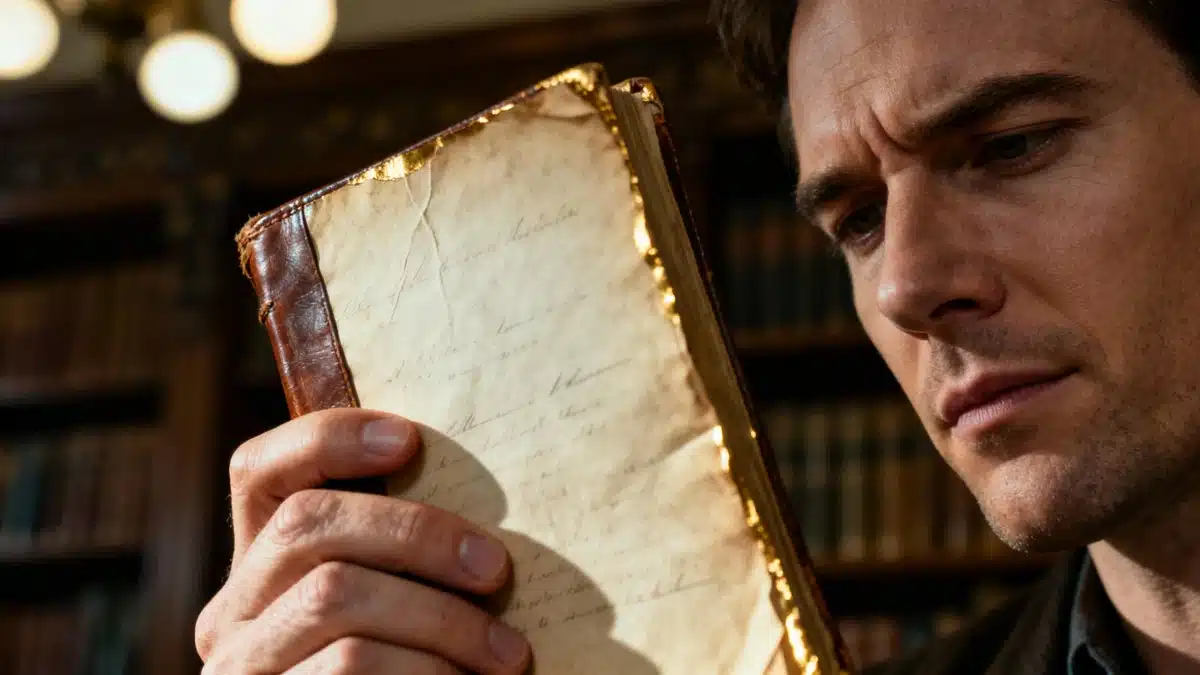
Picture this: the Louvre, the beating heart of global culture, stunned by a heist that’s not just a story for Hollywood, but a case shaking the criminal world to its core. The plot twist? These stolen jewels aren’t just glittering trophies—they’re the secret currency fueling a shadowy economy, leaving authorities scrambling for answers and the rest of us wondering where fiction ends and reality begins.
A Heist with Layers: Not Just Missing Jewels
- On Sunday, October 19, 2025, a spectacular theft unfolded within the Louvre, netting a haul valued at an eye-watering 88 million euros.
- Investigators aren’t facing a simple smash-and-grab. According to expert Claude Moniquet, the jewels aren’t just gone—they’ve become pawns in a complex game, used as collateral for hidden loans between criminal groups.
- This isn’t a new trick: across international cases, art and precious objects turn into clandestine assets, backing debts, advances, and illicit trades. Sometimes these jewels are dismantled, sometimes they lie stashed away, but always they slip through the fingers of those trying to track them.
The mechanics are slippery: rather than surfacing in public auctions, the pieces zip through secret networks—rapidly exchanged, poorly tracked, and spread across fragmented logistics chains. As a bonus (for the thieves, not the curators), jewels retain value better than cash, which authorities monitor.
Criminal Chess: How the Underworld Moves
- Investigators are mapping the flows, cross-referencing sources and profiles, all to stop the jewels from greasing more underworld business. Their goal? Pinpoint the current holders, freeze the loot, and starve the criminal networks of their shadow credit lines.
- The Louvre heist echoes a new trend: organized crime’s growing appetite for art and historical pieces, making recovery a global relay race where every hand-off complicates the chase.
The aftermath is already playing out. Thirteen days after the break-in, two more suspects—a 37-year-old man allegedly part of the main crew, and a 38-year-old mother—have joined two previously jailed men (aged 34 and 39) in custody. Both new suspects deny involvement. Charges include organized theft and conspiracy. Capture wasn’t easy: one suspect was nabbed at Roissy airport en route to Algeria, the other at Aubervilliers. Evidence? Everything from DNA ‘transfer traces’ mentioned by Prosecutor Laure Beccuau, to security footage and phone data.
In the midst of these efforts, three other people questioned this week were released without charges—leaving lawyers to grumble about “drift net” arrests. Authorities, including Laurent Nuñez, say a mastermind and their handlers remain unidentified, but discount any foreign interference—even the favorite old scapegoat, the Russians, are off the hook this time.
Louvre’s Security Dilemma: Procedures and Gaps
- The Minister Rachida Dati isn’t mincing words, describing a “chronic underestimation” of break-in and theft risk at the museum. Outdated systems, weak equipment, and clunky governance have all contributed to vulnerabilities.
- The heist’s technical execution was brazen: a lift-truck left conspicuously at the facade, two men smoothly reaching the Apollon Gallery with powered platforms—clear signs of sharp planning, meticulous scouting, and technical accomplices.
Authorities are now promising beefed-up controls at the museum’s perimeter and streamlined response protocols, with an emphasis on upgraded defenses and decisive oversight. The big question remains: in the endless race between cunning thieves and sleep-deprived security managers, how do you shut down a brisk, clandestine market and ensure what’s precious stays put?
The Long View: Can the Underground Market Be Stopped?
Specialists stress that as organized crime fixates ever more on art, recovery efforts must be meticulous—targeting supply chains, fences, and the financial plumbing of illicit trades step by determined step.
- Trafficked items are changing function and crossing borders at speed, challenging recovery teams to keep up.
- The future will revolve around modernizing security, introducing visible checkpoints, and conducting regular audits.
- Authorities need to identify and isolate not just the culprits, but also the pilfered treasures—because, spoiler alert, the Louvre’s saga doesn’t end till every last piece is home.
International cooperation will be crucial, reaching even into the murky world of parallel financing. With every channel shut down, the criminal networks’ capacity takes another hit.
If there’s one lesson from this Parisian thriller, it’s that defending the world’s treasures is a marathon, not a sprint—and every security gap is a party invitation for the underworld’s best and brightest. Keep your protocols sharp and your diamonds closer.

John is a curious mind who loves to write about diverse topics. Passionate about sharing his thoughts and perspectives, he enjoys sparking conversations and encouraging discovery. For him, every subject is an invitation to discuss and learn.