
Remember when we all thought a car that could travel 100 km on a single liter of fuel was just around the corner? It felt so close you could practically smell the fuel savings… but somehow, that elusive dream still hasn’t cruised down our everyday roads. So, what really happened to the 1-liter car revolution? Get ready for some truth, some nostalgia, and maybe a tinge of heartache—served with a wink.
The Age of Ultra-Efficient Prototypes
Let’s rewind a decade. Back then, the idea of a car sipping just a single liter of fuel per 100 kilometers wasn’t sci-fi hype—it was the future we were promised. Engineers and executives showed off their most ambitious ideas, betting big on efficiency over raw horsepower.
- The Volkswagen XL1 came the closest, clocking in at 0.9 liters/100 km. Sounds like a dream, right? Too bad only 250 XL1s were ever built—and with a price tag most people couldn’t even daydream about.
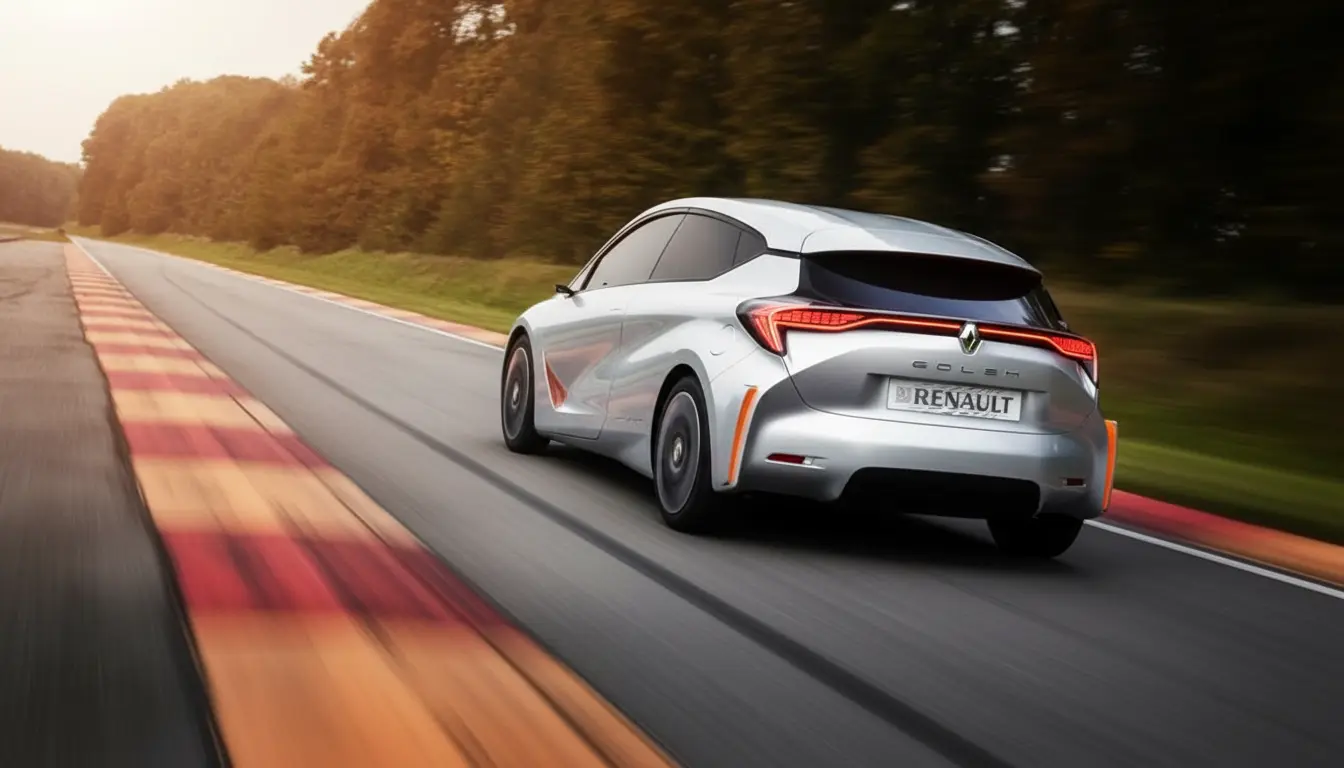
- Renault put forth the 2014 Eolab, boasting the magical 1 liter/100 km figure.
- Citroën had a go with the optimized C4 Cactus, but even it only managed 2 liters/100 km.
What do these machines have in common (aside from you never having seen one in your neighbor’s driveway)? They were ultra-efficient prototypes, concepts that barely trickled into production for real customers.
Plug-Ins, Hybrids, and the Elusive « Magic Liter »
In 2012, then-French Prime Minister Jean-Marc Ayrault encouraged automakers to chase 2 liters/100 km targets by 2020. A few manufacturers reported success: DS, for example, declared its DS 7 Crossback E-Tense achieved a pretty stellar 1.3 liters/100 km. But here’s the catch—these are plug-in hybrids, with their official figures banking on electric driving distance, not just plain old fuel combustion.
Even those super-frugal prototypes, it turns out, were already hybrids. The XL1? You could top it up from the wall socket. A pure combustion car that gets one liter per 100 kilometers? That’s still a unicorn no one has ever spotted.
Hybridization has, in fact, been the secret sauce in the quest for ultra-low consumption. The Renault Eolab foreshadowed the 2020 Clio’s E-Tech system—which, even so, only gets down to 4.3 liters/100 km. Queen of the hybrid hatchbacks, the Toyota Yaris Hybrid, clocks in at 3.8 liters/100 km. Respectable? Absolutely. But still miles from that enchanted single liter.
Data, Reality, and the Comfort Dilemma
Before you start crunching these numbers for your own next ride, pause: these are certified consumption figures typically more optimistic than what you’ll see in real-life, rush-hour chaos. The switch from the NEDC standard to the more realistic WLTP has brought declared consumption closer to daily reality—but also made breaking records even tougher.
So why didn’t these wonders make it to your local dealership? Because let’s be honest, no one’s lining up to buy a car that feels (and looks) like a go-kart—super low, stripped down, and short on creature comforts. Those featherweight materials used in prototypes? Not exactly wallet-friendly or suited to mass production.
- The public wants comfort, practicality, and space—otherwise, we wouldn’t be up to our necks in SUVs.
- SUVs, by the way, are heavier, taller, and less aerodynamic—the very qualities that guzzle up efficiency.
- Even with extreme aerodynamics like the XL1 or the sleek recent Mercedes Vision EQXX, most drivers don’t want to feel like they’re skimming the asphalt like a Mazda MX-5.
The Shift to Electric: New Targets, New Dreams
Let’s face it: the era of the internal combustion engine is fading. The “1 liter per 100 km” chase might forever remain an unfinished chapter, simply because the market is steering away from fuel engines altogether.
The new electric flagbearer? Mercedes recently unveiled the Vision EQXX—a sleek sedan packing over 1,000 km of range, with a battery under 100 kWh. The true marvel isn’t its range, but its efficiency: under 10 kWh per 100 km, which—for diehard fuel devotees—roughly equals a 1 liter/100 km combustion car.
But here’s the kicker: Today’s car buyers are less concerned with kilowatt-hours per 100 kilometers than they are with, “How far can I go on a single charge?” One day, as electric options abound and energy prices bite deeper, we’ll probably see EVs compared by consumption figures just as we used to do with gasoline. Until then, the 1-liter car remains a dazzling, unfinished story in the annals of automotive ingenuity.

John is a curious mind who loves to write about diverse topics. Passionate about sharing his thoughts and perspectives, he enjoys sparking conversations and encouraging discovery. For him, every subject is an invitation to discuss and learn.