
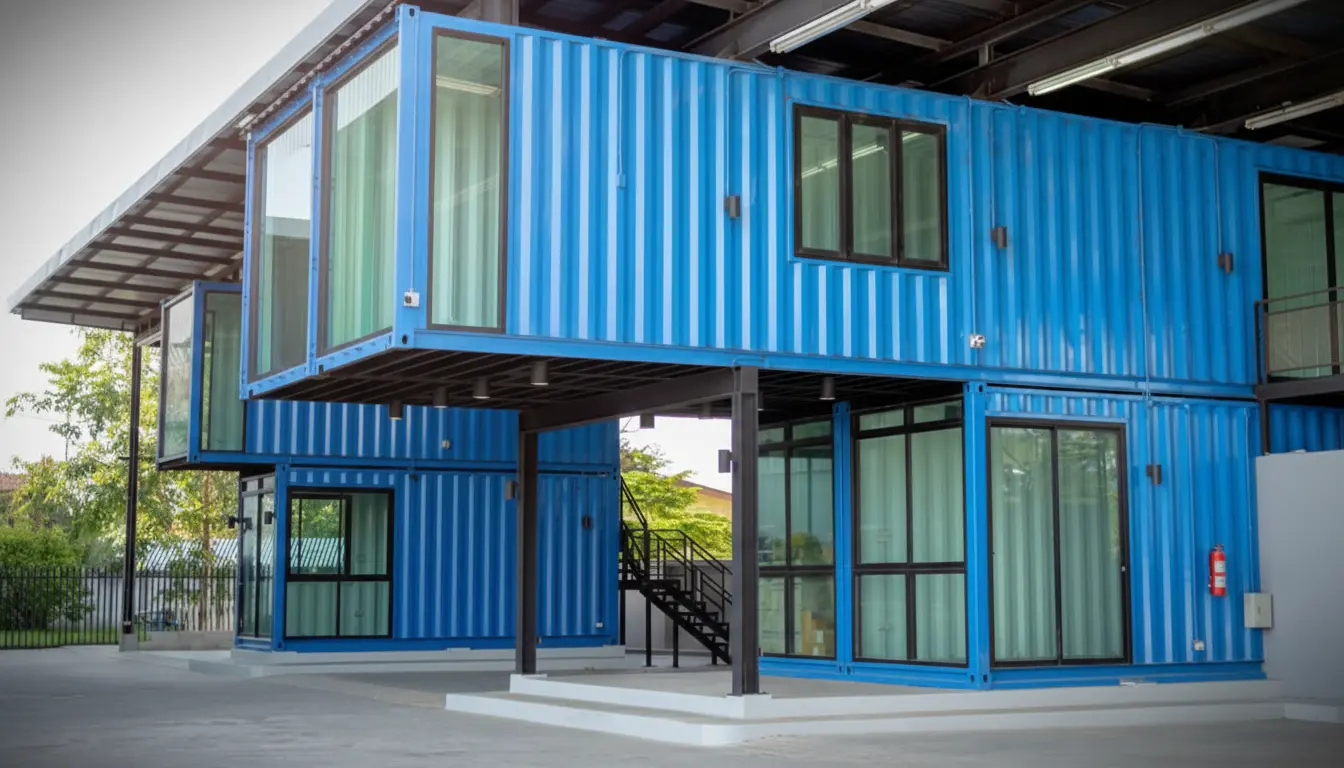
Container homes: a modern marvel on paper, but are they really the perfect solution you’ve imagined? While the shipping container house trend has set designer hearts aflutter and piqued the curiosity of many eco-minded dreamers, behind the sleek metal walls lie challenges that deserve real attention—before your project turns into a logistical headache or a costly misadventure. Let’s roll up our sleeves (and maybe bring a jacket), and explore why container homes might not be the dream solution you think.
The Shiny Promise: Modern, Budget-Friendly, and Green?
At first glance, container homes sound like the answer to just about everything. You get a contemporary design, you’re reusing shipping containers (cheers for sustainability!), and the cost seems friendlier than conventional builds. Using maritime containers as the main building material offers the appeal of originality and a bold signature in the landscape. It looks wonderfully simple on paper—but as with all good stories, there’s a twist.
The Ice-Cold (or Boiling Hot) Truth About Insulation
No one dreams of living in a sauna in July or a freezer in January, yet improper thermal insulation can turn your shiny metal abode into exactly that. Shipping containers are made from metal, which makes them especially sensitive to temperature changes. Without robust insulation:
- The interior becomes stiflingly hot in summer
- And positively frosty in winter
Insulation is non-negotiable, but here’s the catch: opting for interior insulation eats into your usable living space. If you’re seeking airy, generous rooms, you might cringe at every lost centimeter to insulation materials. Alternatively, exterior insulation is a solution—though it comes with its own price tag. This added cost can quickly burst the bubble of budget-friendliness, leaving those with strict financial plans facing an unwelcome surprise.
Red Tape and Rural Resistance: The Zoning Struggle
Even if you’re ready to handle temperature wild-rides, the journey isn’t over. Local urban planning regulations can be a real roadblock—especially in rural areas. Some regions just aren’t ready (or willing) to welcome the oddball charm of container homes. In these places, such unconventional projects may be poorly received—or outright banned. Before you order your container or bring in the bulldozers, checking with your local authorities is absolutely essential. You need to ensure your plan meets the town or municipality’s planning code. Sometimes, you’ll need to jump through extra hoops and request a building permit, which can lengthen your project’s timeline and drop a bundle of administrative headaches in your lap.
The Heavy Cost of Getting There: Logistics & Transportation
Think building a container house is simple? Not so fast. Acquiring your containers is just the beginning—the real challenge is getting them to your plot of land. And if your dream spot is far from main roads or tucked away on rugged, sloping ground (or in a forest, perhaps?), prepare for extra expenses and headaches. Moving massive metal boxes isn’t as easy as moving your sofa.
- Transport costs can pile up quickly
- Organizing logistics may require professional expertise
These logistical hurdles can significantly inflate your costs. Whether you’re the private client or the pro overseeing the site, a dedicated transport specialist is likely a must—and a line on your budget spreadsheet you simply cannot skip.
In short, while container homes offer undeniable advantages in terms of durability, price, and originality, you’ll encounter real obstacles:
- The challenge of effective insulation without sacrificing space or blowing your budget
- Potential conflicts with local urban planning regulations—and the need for permits
- Substantial transportation and handling costs, especially for inaccessible sites
Conclusion: Dream Smart, Plan Thoroughly
Embracing the container home concept is tempting, but look twice before leaping. Planning ahead and fully understanding these practical constraints is crucial to avoid disappointment. If you do decide to embark on the adventure of building a container home, make sure you’re well informed and ready to tackle the surprises along the way—preferably with your sense of humor intact. That’s the best way to turn challenges into clever solutions and design your own modern icon with peace of mind.

John is a curious mind who loves to write about diverse topics. Passionate about sharing his thoughts and perspectives, he enjoys sparking conversations and encouraging discovery. For him, every subject is an invitation to discuss and learn.