
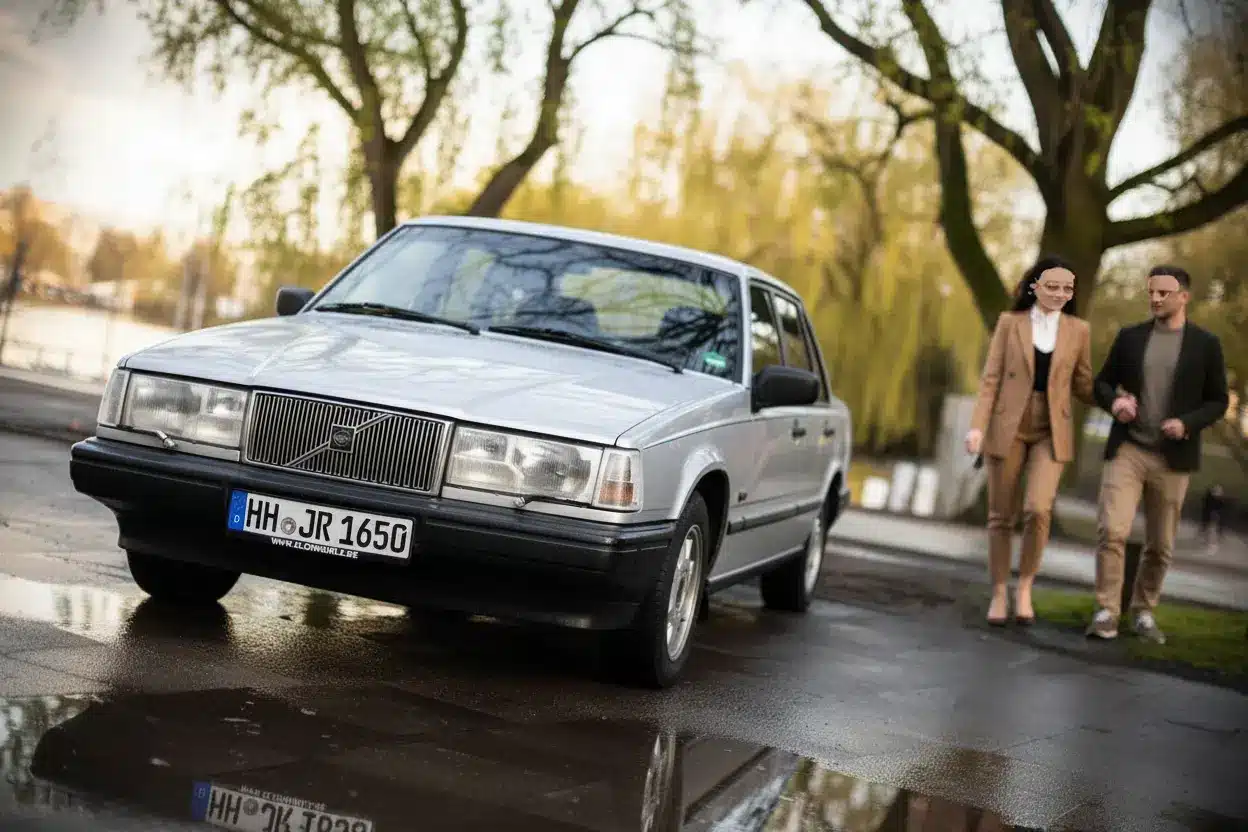
Longing for the golden days of the indestructible Mercedes, Toyota, and Volvo? You’re not alone. But was the grass really greener (and less rusty) back then? Modern reliability is trickier than it seems—so buckle up for a bumpy but honest ride through the myths and realities behind those numbers!
Looking at the Numbers: Double Vision
If you judge reliability only by mechanical faults, you quickly get a double image. On one hand, young electric vehicles often prove less prone to breakdowns than petrol or diesel models. Why? Simple: fewer moving parts to go off-script. Recent ADAC figures, highlighted by AutoWeek, underline this—young EVs are, on average, more reliable than cars sporting a combustion engine.
Before you trade the family wagon for a plug-in, though, here’s the twist: there’s a growing list of software “teething problems” thanks to modern driver aids and rapid electrification. AutoWeek recently explained that this quick jump to electrification and advanced driver assistance systems (ADAS) actually increases the risk of faults—but these are mainly of the electronic, rather than engine-blowing, variety.
Context Is Everything: Statistics, Not Just Sentiment
Here’s a stat that might shock even the most stoic mechanic: in 2024, the ANWB assisted with over 1.3 million roadside breakdowns—an average of 3,700 per day. The humble 12V battery remains a persistent pain point. But don’t reach for your rose-colored glasses just yet! These numbers also reflect:
- More cars (and older cars) on the roads
- Crowded highways with more frequent journeys
- Vastly increased electronics and sensors
- Many more points at which faults can be measured
So the stats don’t necessarily mean the cars themselves are failing more—they might just be telling us more about what can go wrong, more often. Compared to “the good old days,” there’s simply more driving, more gadgets, and more ways to notice breakdowns. Context: It’s not just for English class.
Why Did Old Cars Seem So Reliable?
The legendary reputation of old Mercedes, Toyotas, and Volvos owed much to their simplicity and huge safety margins: little electronics, oversized parts, and a lot of mechanical slack. Modern cars? A different beast entirely. They’re lighter, more efficient, and bursting with features—which means more chance for small software bugs to crop up. But here’s the ironic twist: the core mechanics are often more robust than ever.
- New cars visit the shop far less often than their pre-Internet ancestors
- “Major” and “minor” services are basically extinct, with maintenance intervals now stretching to 30,000 km or more
Try telling a mechanic in the 1990s about those intervals—they’d have laughed you out of the service bay!
Brands, Bias, and Being Practical
Brand differences are nothing new. Toyota still scores consistently high in reliability surveys—past and present—which helps explain the near-mythic nostalgia for “old Japanese” cars. Recent summaries, such as from NU.nl reporting on a Consumentenbond survey, again crown Japanese brands as reliability champs. But does this spell doom for modern European cars? Not quite. Often it’s minor software glitches that disappear with an update, rather than a full mechanical overhaul.
So, was “back then” truly more reliable? Mechanically, things looked simpler and were sometimes built with more excess. That did mean less to break. But objectively, the picture is mixed: younger EVs are performing well, maintenance intervals are much longer, and many issues are now fixable via software. At the same time, digital features mean more notifications—and more opportunities for annoyance when a warning light won’t quit.
Practical advice: When buying, dig deep into the brand and model’s track record, check for over-the-air update support, warranty length, and how a car fares in recent roadside stats and driver experiences. Choose today’s reliability based on today’s reality—not yesterday’s fuzzy feelings. Your future self (and maybe even your mechanic) will thank you!

John is a curious mind who loves to write about diverse topics. Passionate about sharing his thoughts and perspectives, he enjoys sparking conversations and encouraging discovery. For him, every subject is an invitation to discuss and learn.