« Unconventional » may just be the magic word setting the window-cleaning world ablaze. Move over, squeegee – innovation has arrived, and it’s not shy. But is this new method a clear win, or are those sparkling panes hiding some murky trouble? Read on: things are about to get streak-free—and heated.
The Big Shake-Up: A Window into Revolutionary Cleaning
In the fiercely competitive universe of cleaning, something unexpected has captured attention: a new method for washing windows that’s as divisive as it is dazzling. Professionals and everyday folks alike are sitting up and paying attention—sometimes from behind immaculate glass. Why the fuss? It all started with a combination that sounds ripped from an unconventional recipe book.
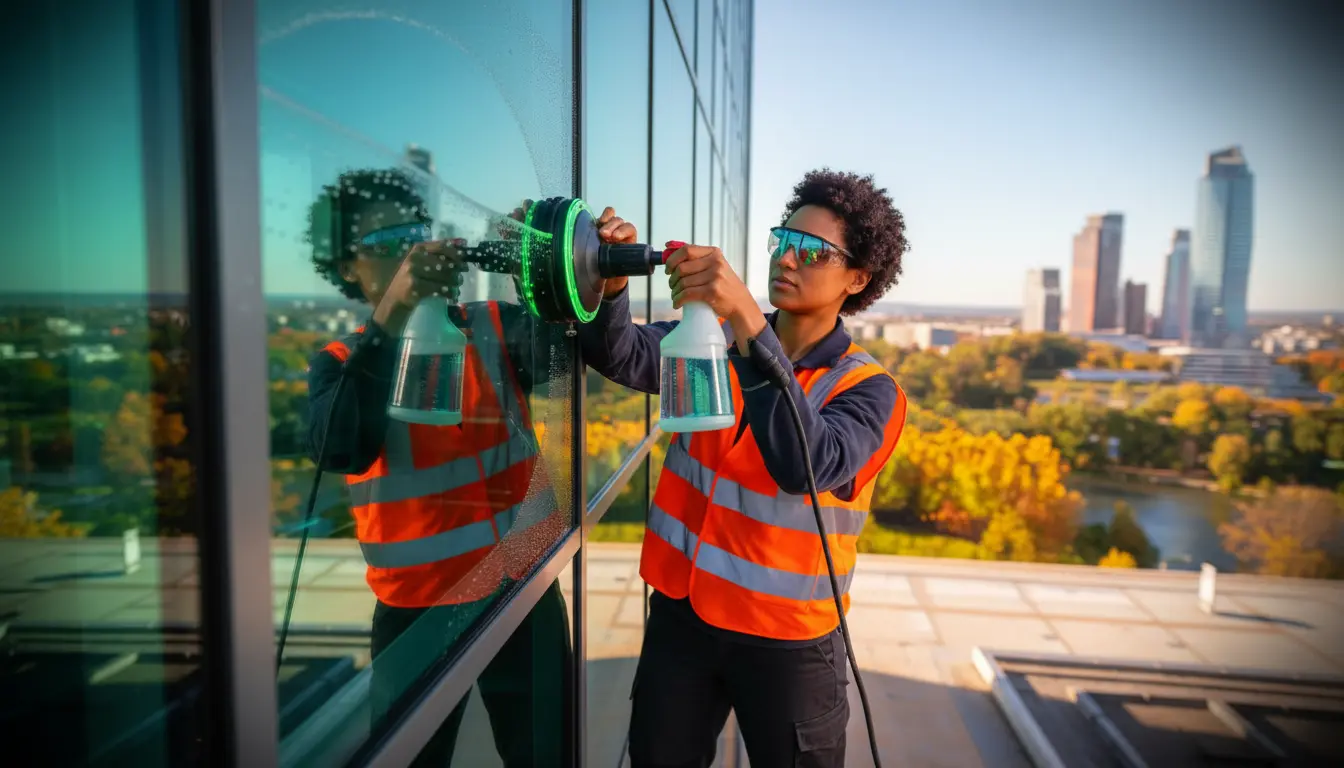
This approach uses a solution of ammonia and white vinegar, mixed in proportions never before seen on this side of a sunbeam. The real kicker? The solution is applied with special ultrasonic equipment. Unorthodox, sure. Effective? The results, say observers, are undeniable—windows left spotless, seemingly in record time. You could say it’s making the competition look a little foggy by comparison.
Practitioner’s Perspective: Squeaky-Clean Success?
Maxime Lefèvre, who runs a cleaning business in Île-de-France, was, by his own admission, not an immediate convert. “I was skeptical at first,” he recalls. But after giving the technique a go on several buildings, he couldn’t argue with the evidence staring back at him through the gleaming glass. « The results are there. The windows are flawless, and the cleaning time has been cut in half. » Efficiency and effectiveness, it seems, make for a persuasive combo.
Lefèvre is not alone in his enthusiasm. Many professionals and clients find themselves drawn to what appears—on the surface—to be a miracle method. But as with all miracles, there are skeptics and worriers in equal measure.
Experts Weigh In: Between Crystal Clarity and Cloudy Consequences
If this feels too good to be true, environmental and health experts are ready with the reality check. The primary sticking point? Ammonia, used here in hefty concentrations. Voices in the field warn that intensive ammonia use could have long-term adverse effects—not only on the environment, but also on the health of cleaners themselves.
- Dr. Émilie Girard, a chemist specializing in ecotoxicology, raises the alarm. She notes, “Ammonia is a powerful compound that can cause respiratory and skin irritation. Its use in high concentrations, especially in poorly ventilated spaces, is concerning.” So while the outside of your skyscraper might glitter, the air inside might not be so fresh.
- Ecological worries are on the rise too. The effects of large-scale ammonia usage on the environment have yet to be fully unraveled—but concerns are growing as the trend spreads.
The professional cleaning world is split clean down the middle. On one side: those tempted by rapid, impressive results. On the other: those urging caution, advocating for lung-friendly solutions and a little old-fashioned prudence.
Navigating the Haze: Are Regulations and New Research on the Horizon?
The method continues to win enthusiastic new followers, but there’s a growing call for tighter oversight. There’s talk among the authorities of implementing standards—specifically, rules to limit ammonia concentrations and ensure proper ventilation wherever this technique is used. Because what good is a gleaming office view if it comes with a side order of sore throats?
Further research could also play a role: possible future studies may lead to safer, equally efficient alternatives that rely on gentler compounds. The hope is that the quick and shiny results of this revolutionary approach can be preserved without sacrificing health or environmental responsibility.
- Laying down regulatory guidelines
- Boosting research into less aggressive formulas
- Ensuring ventilation standards during cleaning
For now, the cleaning sector straddles two camps: those blinded—in a good way—by the results, and those blinking anxiously at what might be lurking in the formula. One thing is clear: a transparent debate has never been so literal.
Whatever side you fall on, it’s wise to stay informed, ask questions about safety and ventilation, and keep an eye (without squinting through streaks) on developments in regulation and research. Because whether you’re wielding a mop, a microscope, or just enjoying the view—clean windows and clean consciences should go hand in hand.

John is a curious mind who loves to write about diverse topics. Passionate about sharing his thoughts and perspectives, he enjoys sparking conversations and encouraging discovery. For him, every subject is an invitation to discuss and learn.