
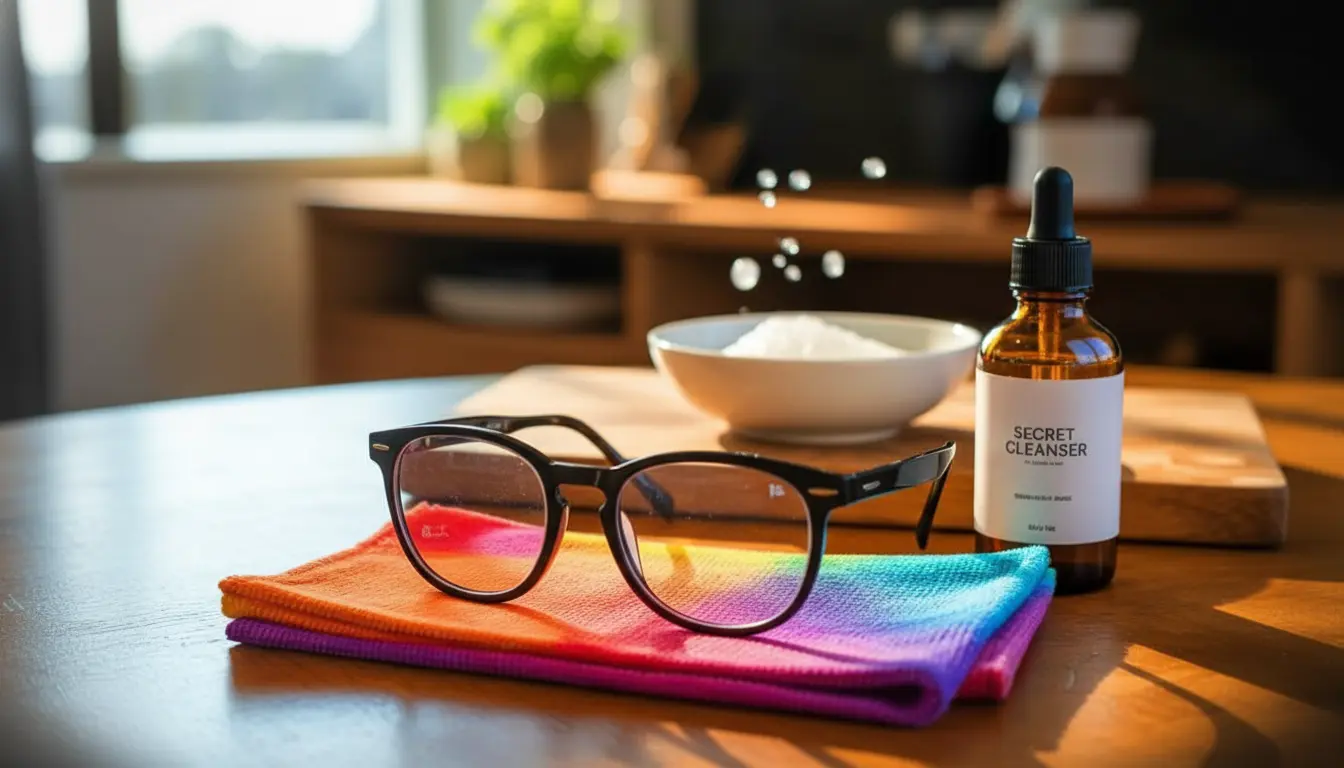
Tired of battling stubborn smudges and mystery grime on your glasses with pricey wipes and endless sprays? Good news: a simple, affordable trick for sparkling lenses is quietly making converts everywhere—and yes, users say it leaves store-bought wipes in the dust (with zero harsh chemicals to boot!).
From Frustration to Discovery: One Teacher’s Story
Anyone who wears glasses knows the struggle. You’re armed with cleaning wipes and fancy solutions, yet fingerprints and dust seem to multiply, popping up when you least expect (or most need) crystal-clear vision. Martine Lavoie, a 42-year-old teacher, knows this pain all too well. “I’ve always had trouble keeping my glasses clean. Between fingerprints and dust, it was a constant battle,” she confides. That is, until she stumbled onto a remarkable new solution.
The Secret Recipe: Home Staples to the Rescue
This increasingly popular trick does not require any big investment or mystical gadget. Instead, the magic lies in simple, familiar ingredients:
- Distilled water
- White vinegar
- A microfiber cloth (a true knight in shining armor against lens scratches)
This gentle mixture, carefully wiped onto glasses with a soft microfiber, is safe for anti-reflective coatings and has two big aces up its sleeve: it delivers spotless results and helps prevent the scratches that are all too common with traditional cleaning wipes.
A Win for Cleanliness, Your Wallet, and the Planet
This approach is more than just efficient—it’s also friendly to both your reserves of cash and your conscience. Swapping high-priced chemicals and disposable wipes for this home blend:
- Reduces dependence on disposable and chemical-heavy products
- Cuts down waste for a more sustainable routine
- Saves money over time
Martine sums it up best: “By adopting this method, not only can I see better, but I also feel like I’m contributing to environmental protection. It’s so rewarding to know this tiny change in my routine has a wider positive impact.”
Spreading Like Wildfire: Endorsements and a Bright Future
Martine isn’t alone in her enthusiasm. More people are trying this homemade cleaning trick and telling others how simple and effective it is. Online forums and discussion groups are positively bubbling with satisfied reports and advice for those curious to optimize their own lens-cleaning technique. The word-of-mouth effect has played a big part in the trick’s rise: opticians themselves are now starting to recommend it, recognizing not only its high-quality cleaning power but its low cost and gentle environmental impact.
Looking ahead, there’s talk that this clever combo might go beyond glasses. Its delicate-yet-effective touch may soon help keep other fragile surfaces pristine—think computer screens and smartphones. If the vinegar and distilled water duo works wonders for optical lenses, it might just change the way we care for our most-used gear.
The Bottom Line: A Small Change, a Big Difference
The future looks bright for this homemade glasses-cleaning tip. With its many clear advantages and potential to expand into broader use, it may soon become a must-have trick for anyone looking to care for delicate surfaces easily and responsibly. So, next time your vision is clouded (literally), remember: sometimes the best solutions are the simplest—and may already be hiding in your kitchen cupboard.
This article was thoughtfully shaped, with care and curiosity, much like a craftsperson attending to their finest work—practical, inspiring, and always accessible. Here’s to seeing the world more clearly, one eco-friendly wipe at a time!

John is a curious mind who loves to write about diverse topics. Passionate about sharing his thoughts and perspectives, he enjoys sparking conversations and encouraging discovery. For him, every subject is an invitation to discuss and learn.