Feeling like your home could double as a tropical greenhouse every time it rains—or worse, whenever someone takes a shower? Let’s talk about plants that won’t just look pretty on your windowsill but will also rescue your indoor air from excess humidity (and maybe even save your sanity in the process).
Why Houseplants Are Your Best Allies Against Humidity
Humidity may be fantastic for a rainforest, but inside your home, it can transform comfort into chaos (and painted walls into a science experiment). In a particularly humid winter, even with a powerful ventilation system, I was losing the battle against stale, heavy air—that is, until a few tropical plants swooped in to save the day. Certain houseplants, especially those from lush and sticky climates, can regulate your home’s atmosphere naturally. Not only do they soak up the excess water in the air, but they manage to stay stylish while doing it.
Meet the Humidity Heroes
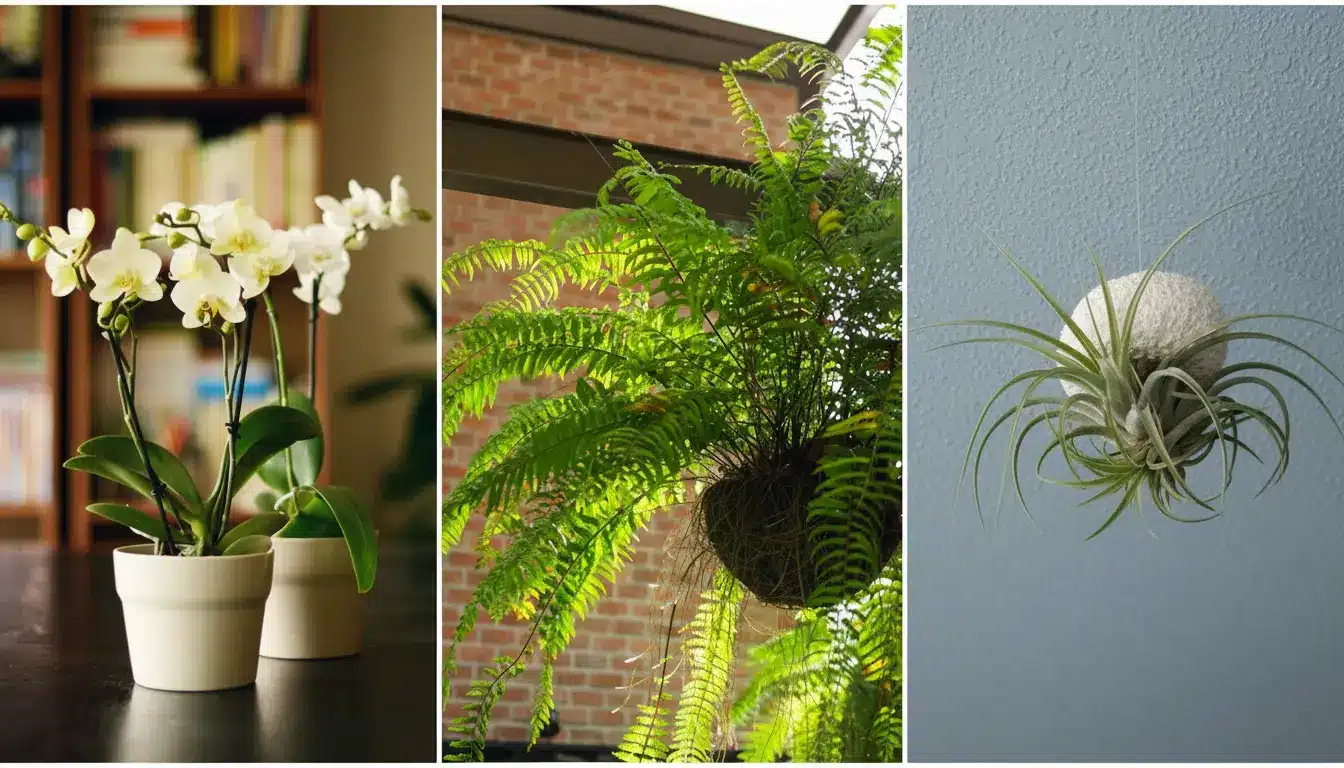
- Boston Fern: A true champion, the Boston fern thrives in low light and high-moisture environments—think bathrooms after a steamy shower. Watching a friend’s spa corner transform from musty to fresh was all the proof I needed.
- Spathiphyllum (Peace Lily): Also known as Fleur de Lune, this plant uses its broad leaves to capture ambient moisture, limiting mold formation. Low-maintenance and requiring moderate watering, it’s perfect for dim spaces.
- Nepenthes: Exotic and carnivorous, Nepenthes love confined, damp spots. Put one in your bathroom for an air quality boost and an instant jungle vibe. Just keep their substrate constantly moist to avoid any carnivorous meltdowns.
- Tillandsia: For fans of hanging decor, these air plants are a must-have. Their thin leaves curl when thirsty—a clear sign they’re drinking up the humidity around them.
- Palm: Reminiscent of their hot, muggy origins, palms thrive when given enough space and a moisture-rich environment like their natural habitat.
- Climbing Ivy: This plant is renowned for its dehumidifying powers and looks chic when suspended for that trendy bohemian touch. It needs regularly moist soil and tolerates low light, but will fight rising dampness like a pro.
- Cacti: Contrary to their desert-dweller reputation, certain fuzzy-leafed varieties absorb atmospheric moisture—making them surprisingly wise choices for humid spaces.
- Orchid: With their distinctive aerial roots, orchids draw humidity right from the air, giving your home a lush, exotic flair.
- Sparmannia Africana & Fuchsia: Both are excellent in low-light rooms, helping to limit water vapor while brightening up your interior.
- Ficus: Robust and reliable, its dense foliage not only purifies air by absorbing pollutants but contributes to a balanced indoor atmosphere by regulating humidity.
- Epiphyllum: This charming, delicate plant particularly thrives in moisture-rich environments, drawing what it needs from the air for optimum growth.
The Secret Power: Tropical Origins
So, what makes these plants such effective dehumidifiers? Their strength lies in their origins. Evolving in areas where the air is perpetually heavy with moisture, these tropical species have developed leaves, stems, and roots capable of absorbing excess humidity—well before it turns into mold or damages your precious interior materials. Place them thoughtfully—say, in your bathroom, kitchen, or near a leaky window—and you’re giving your home a microclimate makeover.
Expert Recommendations and Simple Advice
Specialists, such as those from the Centre National de la Consommation and the Agency for Ecological Transition, often recommend using houseplants to improve air quality, especially for homes prone to excessive humidity. Their advice? Use indoor plants as part of your wellness arsenal and a line of green defense against unwanted dampness.
In summary, integrating these plants is a natural and graceful way to lower humidity and refresh your living space. Whether you’re a green-thumbed enthusiast or a curious beginner, these botanical allies will transform your rooms into oases of well-being—seamlessly combining nature with the wonders of the living world. Want to dig deeper or pick up more practical tips? Check out the guidance offered by the Centre National de la Consommation or the Agency for Ecological Transition—they regularly provide firsthand experience and valuable recommendations. Time to let your plants do some heavy lifting (and sipping) for your home—with style.

John is a curious mind who loves to write about diverse topics. Passionate about sharing his thoughts and perspectives, he enjoys sparking conversations and encouraging discovery. For him, every subject is an invitation to discuss and learn.