
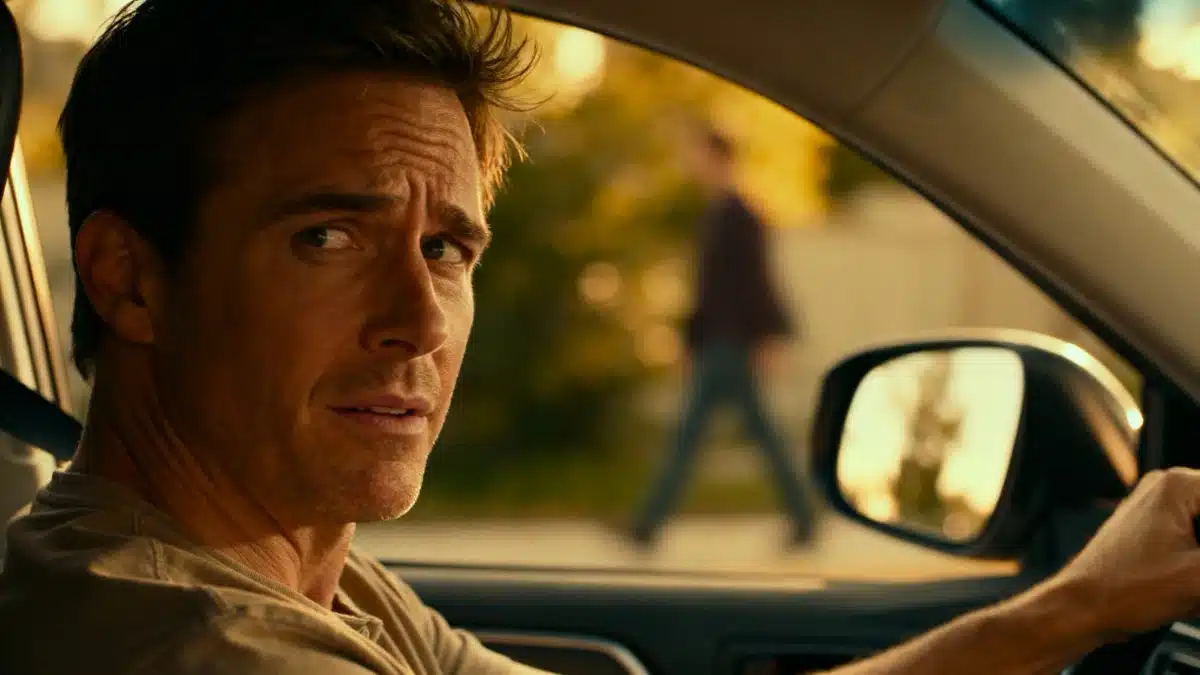
Imagine cruising around in your shiny, modern car, basking in the comfort of reinforced doors and sturdy safety features—only to discover that these very marvels might be hiding the world around you. Yes, you heard right: the quest for safer vehicles has come with a sneaky side effect, and it’s lurking right by your windshield.
The Pros and Cons of Automotive Progress
Over recent decades, cars have made impressive leaps in safety. Stronger frame structures and chunkier body panels now provide better protection during crashes. But there’s a twist to this success story—one that could make even the most tech-obsessed motorist raise an eyebrow. The culprit? The well-intentioned but visually menacing A-pillar, that chunky support running between your windshield and side window. It’s become so thick in modern vehicles that it can severely limit what a driver actually sees.
Amer Adam from Autoklar Trafikskola, a driving instructor who spends his days helping novices navigate the open road, puts it bluntly: the A-pillar can conceal much more than drivers realize. « Pedestrians, cyclists and even whole cars can sometimes completely disappear behind that wide post, » he explains. The risk is especially high while taking bends, negotiating roundabouts, at intersections, or motoring through residential areas, where sightlines are already limited.
The Hidden Threat to More Than Just Drivers
This issue spells double trouble for motorcyclists. They’re narrow, nimble, and quick—qualities that make them especially susceptible to completely vanishing behind the A-pillar, even on broad roads. Motorcycle training schools are well aware of this risk, teaching riders to reckon with the blind zones car drivers face. For those zipping around on two wheels (motor-powered, not groceries-on-handlebars-powered), staying alert to drivers’ blind spots isn’t just advice—it’s a matter of self-preservation.
Teaching the Art of Looking Around… Literally
Driving schools are well-prepared to tackle the A-pillar problem head-on—sometimes with a dash of creativity. Instructor Adam shares: « We teach students to lean slightly forward or to the side to literally look around the pillar. During lessons, we set up traffic cones that remain hidden behind the A-pillar, so students learn just how easy it is to miss something. »
- Drivers-in-training quickly spot the differences between lesson cars and test vehicles; window shapes and pillar thickness vary dramatically between models.
- Some even request to take their tests in an ‘easier’ car, hoping for better visibility. Sorry, that’s not a valid excuse, according to Adam. Instead, it’s a sign of just how crucial strong observation technique and risk awareness truly are.
Technology to the Rescue? (Spoiler: Not Entirely)
The automotive industry isn’t blind to this hazard. A decade ago, Swedish manufacturer Saab tried out a collapsible A-pillar—it stayed out of the way until the moment of impact. Today’s carmakers are busy exploring high-tech digital fixes: think cameras and screens that make the pillar area appear transparent. All clever, certainly. But the core message remains unchanged: drivers themselves must remain constantly vigilant.
Adam admits he’d love to see manufacturers strike a better balance between safety and visibility. At the same time, he recognizes the pillars’ vital role in energy-absorbing zones during a crash. The upshot? Responsibility lands squarely in the driver’s lap. Or, should we say, line of sight.
The takeaway couldn’t be clearer: anyone wanting to drive safely must actively compensate for their car’s physical limitations. Always watch for potential road users lurking in blind spots, adjust your speed as needed, and remember—the secret is not just in your mirrors, but in moving your head too.
It’s a visually cluttered world out there, and while your car might be built like a tank, it pays to look around—literally. Happy (and attentive) driving!

John is a curious mind who loves to write about diverse topics. Passionate about sharing his thoughts and perspectives, he enjoys sparking conversations and encouraging discovery. For him, every subject is an invitation to discuss and learn.