
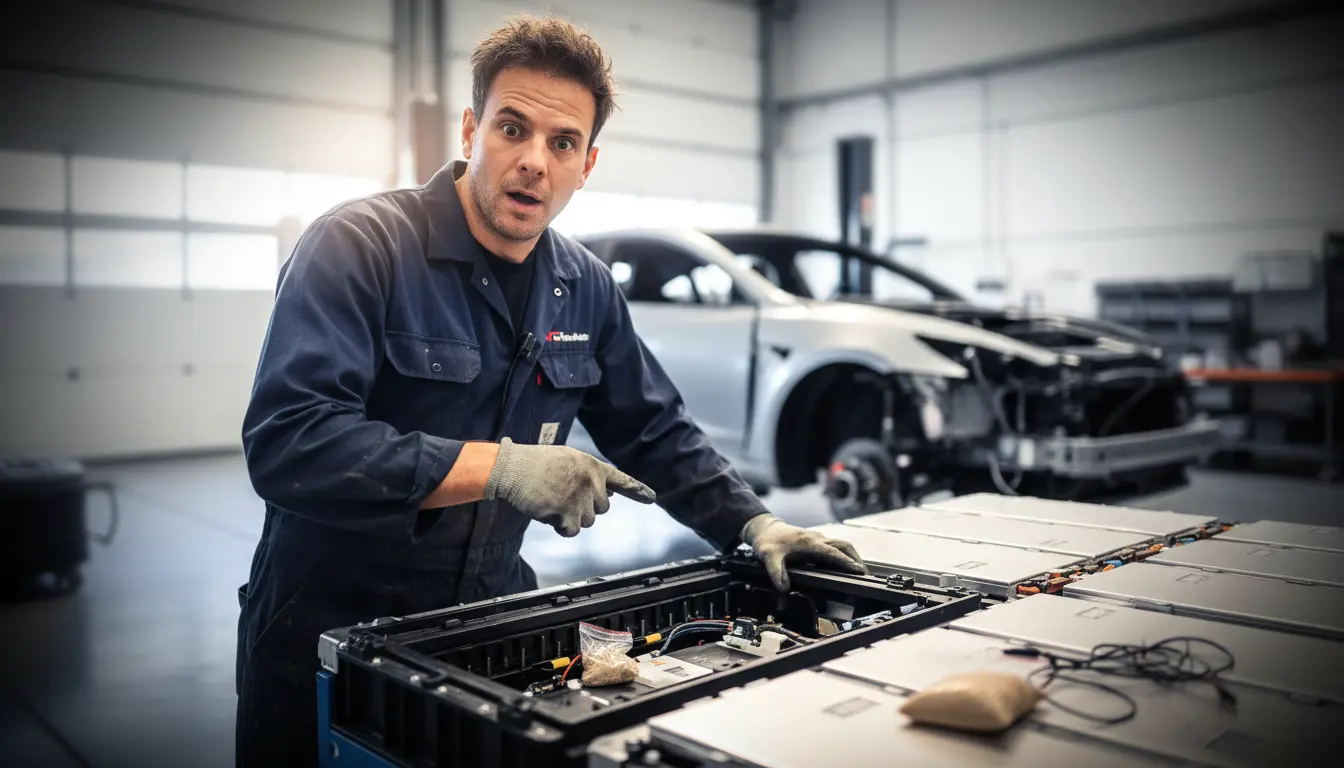
Just when you thought the auto industry was cruising along the electric highway to a greener future, a jaw-dropping detour appears. A shocking scandal has jolted the world of green technology: an international electric car battery scam that might not only burn a hole in your wallet, but also in your trust. Are we being deceived on the road to sustainability?
The Flimsy Core Behind the Green Promise
Controversies in the electric vehicle (EV) sector are as common as charging station arguments, especially when it comes to battery quality and vehicle range. But this time, the auto industry is facing something truly seismic: an international scam targeting nothing less than the battery—the very heart of the EV revolution. If you thought debates about battery autonomy were heated, wait until you hear this story.
Ángel Gaitán: The Mechanic Who Pulled Back the Curtain
The mastermind behind this revelation isn’t a hardboiled detective or undercover journalist, but Ángel Gaitán, a Spanish mechanic who’s as handy with car repairs as he is with social media video analyses. Thanks to his expertise—and a dash of internet charisma—Gaitán is something of a celebrity among car enthusiasts.
Gaitán’s investigation unearthed an international fraudulent operation selling batteries marketed as groundbreaking, graphene-based supercapacitors, allegedly imported from Dubai. These batteries were no shy wallflowers: they promised almost 500,000 charge cycles and a lifespan that could outlast many relationships. Consumers and companies alike were dazzled by the performance claims, seduced by visions of unlimited mileage and eco-purity.
But, after putting these batteries through the wringer, Gaitán delivered a reality check. The supposed technological wonders? In truth, they were just Chinese lithium batteries, barely disguised under a layer of vinyl, with no actual technological innovation. Unmasking this scam may cost the sector dearly, threatening not just wallets but the confidence in electric vehicles themselves.
Industry Shockwaves: Doubt, Distrust, and Political Turbulence
The ramifications of Gaitán’s discovery could be devastating. Batteries are not just a component—they are the backbone of EV development. This scam doesn’t only mean financial losses for buyers and companies; it also puts a spotlight on worrying gaps in automotive parts oversight and an urgent need for stricter quality assurance and sourcing controls.
- Economic damages for consumers and manufacturers
- Glaring weaknesses in battery component checks
- The urgent necessity for a tougher, more reliable verification system
Gaitán is no stranger to tangling with industry giants—he previously won a lawsuit against Tesla over hidden defects, securing compensation for damages. That victory not only boosted his credentials but also paved the way for other consumers with similar problems, fueling broader concern about the quality of EVs, even from leading American manufacturers.
But the trouble doesn’t stop at the checkout counter. The scandal has the makings of a political landslide. Governments worldwide are pouring vast sums into green transitions, betting on EV adoption to slash pollution and fight climate change. A spectacular failure like this could erode faith in such public policies, slowing the green march to a crawl. The last thing the world needs is an eco-backlash fueled by battery betrayal.
The Road Ahead: Rebuilding Trust, Ensuring Real Innovation
When the very batteries touted as the engine of the future turn out to be the stuff of scams, it’s hardly shocking that consumers start questioning the reliability of all alternative technologies—hydrogen included. The takeaway? The auto sector can’t afford any more shortcuts or smoke and mirrors. Restoring consumer trust and guaranteeing transparency from production to delivery must become non-negotiable priorities.
The coming months will pose formidable challenges for the car industry. Surviving this crisis—and earning back credibility—will require companies to establish much stricter controls and lift component quality to genuinely innovative and reliable standards. Sustainable mobility is not just about clean engines or bright ideas; it rests squarely on consumer trust. Every scandal, like this battery debacle, is a speed bump on the road to an energy transition. The question now: will the industry learn from this and finally put truth and quality in the driver’s seat?

John is a curious mind who loves to write about diverse topics. Passionate about sharing his thoughts and perspectives, he enjoys sparking conversations and encouraging discovery. For him, every subject is an invitation to discuss and learn.