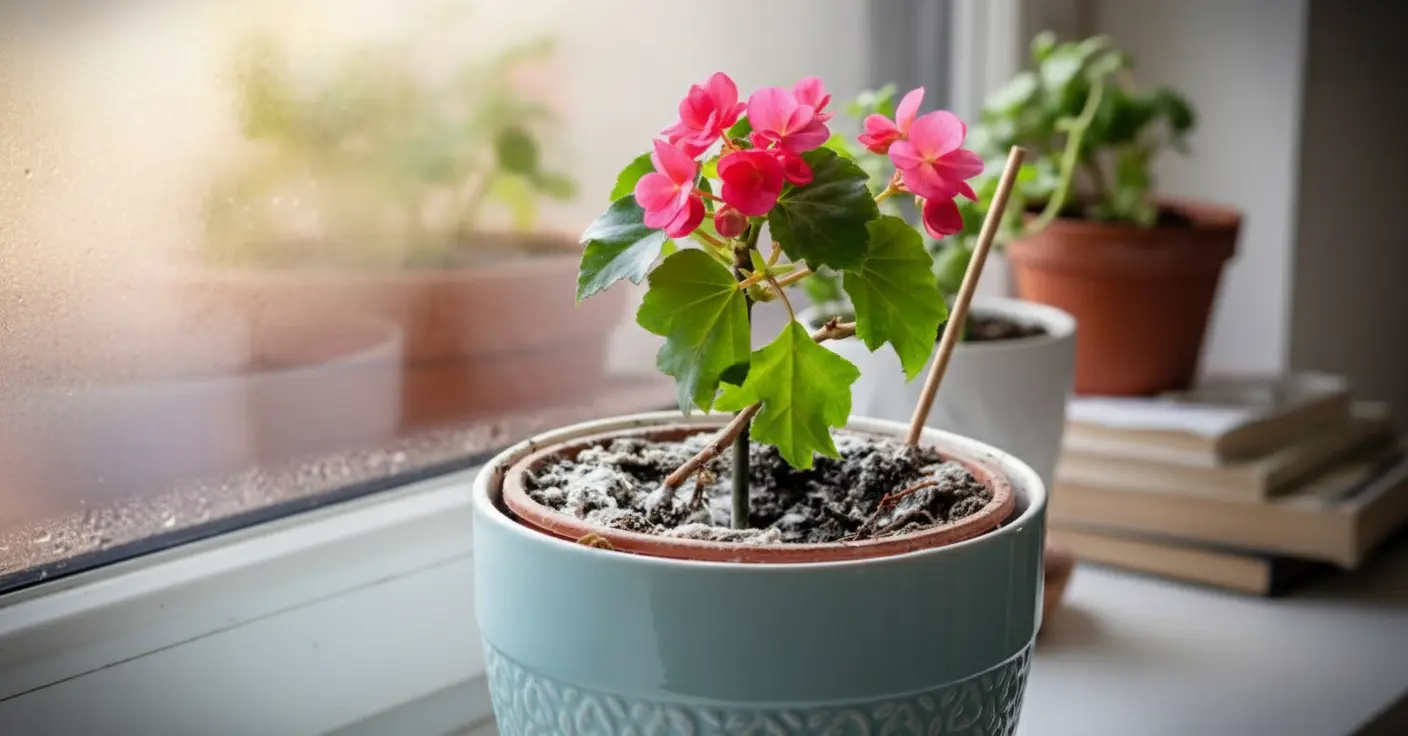
Notice something fuzzy, white, or suspiciously fluffy on the surface of your beloved houseplant’s soil? Don’t panic – you haven’t accidentally bred a new house pet! Mold is a familiar guest in the world of indoor gardening. While it’s not the villain many make it out to be, the experts agree: it’s time to show that mold the door. Here’s exactly why you shouldn’t ignore it, and what simple steps truly make mold a thing of the past.
Mold on Houseplant Soil: What’s Really Happening?
Let’s get right to the root of the issue. The mold that shows up on your houseplant’s potting mix? It’s not harmful to your plant. That’s right—no need to deliver a eulogy for your fern just yet! Still, experts strongly recommend removing it. Why? Because even though this mold isn’t a threat to your leafy friends, tidy pots make a happier home, and it only takes a moment to keep things fresh.
Mold loves to hang out wherever there’s enough organic material and plenty of moisture. It generally grows from filamentous fungi, which are basically microscopic freeloaders lurking everywhere in the environment. On peat moss and other growing mediums, the molds that develop are called saprophytes. These particular fungi have basically one superpower: turning dead plant material into… well, more dead plant material. They don’t bother living plants, nor do they pose a threat to humans. Saprophytic molds are not pathogenic, so your houseplants (and you) are in no danger.
The Simple Solution: No Mystery Potions Required
Good news: you don’t need to raid the cleaning aisle, hunt down secret formulas, or consult ancient horticultural texts. The fix is simple and reassuringly low-tech:
- Gently scrape and remove the thin, top layer of potting soil where you see mold.
- After you’ve done this, let the soil dry out before giving your plant its next drink.
Why so easy? Mold thrives when things are damp, so giving your soil a chance to dry puts a stop to the fungal party. It’s a win for you and your houseplants—not so much for the mold, but tough luck for them.
Mold Prevention: The Art of Not Loving Your Plants to Death
While water is life for your green companions, too much H2O is a recipe for trouble. Overwatering opens the door not just to mold, but also to root diseases and a variety of other plant woes. The lesson? Only water your plant when it truly needs it.
How do you know if your plant is thirsty, and not just faking it for attention? Trust the finger test:
- Stick your finger about an inch deep into the soil.
- If the soil feels dry at that depth, it’s a sign your plant would appreciate some water.
- If it feels damp on the surface, resist the watering can, wait a few days, and test again.
Along with careful watering, you can kick mold to the curb with these simple habits:
- Lower the humidity in your plant’s environment.
- Keep the ambient temperature on the cooler side when possible.
- Ensure your plant’s pot has good drainage—no one likes wet feet, especially not roots.
Potting Mix Chemistry and Mold: A Quick Insight
Here’s a fun fact for your next garden party. Peat bogs, the original source of much potting mix, naturally contain very low levels of mold. The acidic nature of a bog keeps fungal activity to a minimum, which is why decomposition there is so slow. Once the peat is harvested and dolled up with lime and nutrients, however, the chemistry shifts. The new environment is much friendlier to saprophytic mold growth—especially if things get too moist.
Wrapping Up: A Clean Sweep for Happy Plants
Instead of letting mold grow unchecked, just scrape off the visible layer, tweak your watering routine, and keep those drainage holes clear. Remember: mold may not be a menace, but keeping it at bay helps your space—and your plants—look and feel their best. Let the only thing growing in your pots be the houseplants you love, not a tiny field of mystery fuzz!

John is a curious mind who loves to write about diverse topics. Passionate about sharing his thoughts and perspectives, he enjoys sparking conversations and encouraging discovery. For him, every subject is an invitation to discuss and learn.