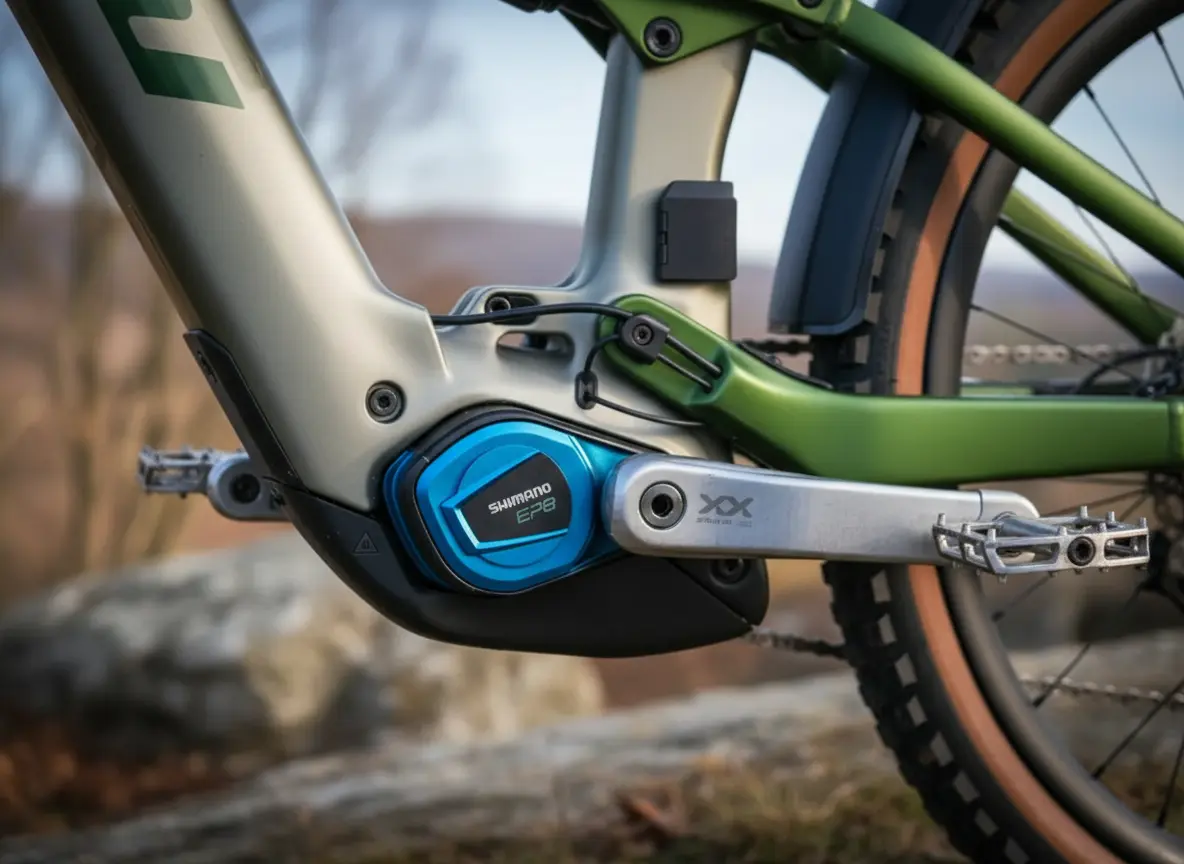
Can new rules for e-bike motors be the spark that lights up a classic trade protectionist battle? No need to pedal in suspense – the industry is already in high gear, and accusations are as thick as a Dutch cycling lane at rush hour.
The Proposed Limits: Policing the Pedal Power?
The storm started when the ZIV (Zweirad-Industrie-Verband), the German bicycle industry association, suggested tightening the screws on e-bike motor regulations. Here’s the low-down:
- Motor assistance would be capped at a 1:4 ratio. Translation: if you push 100 W, your e-bike motor can only pump out up to 400 W extra – not a single electron more.
- The new proposal also puts a 750 W cap on the maximum possible assisted power. For reference, current rules limit nominal motor power to 250 W.
ZIV argues these measures are needed to preserve what makes a bike a bike, not a low-flying scooter with a basket. The intent, apparently, is to safeguard “traditional bicycle characteristics.” But critics see less preservation and more limitation, especially when it comes to heavy-duty e-bikes like cargo models or bikes for people with disabilities.
Bosch Under Fire: Protector or Protectionist?
Bosch, Europe’s main supplier of e-bike motors, finds itself at the eye of this regulatory cyclone. Several industry voices are accusing Bosch of having too heavy a hand in ZIV’s discussions. The reason for the suspicion? Bosch doesn’t make motors exceeding 750 W peak power. Funny coincidence, that.
Critics allege Bosch is pushing to protect its economic turf by stifling the development of more powerful motors – and, by extension, any companies brave or reckless enough to build them.
Annick Roetynck, director of the Light Electric Vehicle Association (LEVA-EU), did not mince words: “This is pure protectionism,” she declared. Her big worry? That these proposed restrictions could freeze the development of higher-powered e-bikes, which are crucial for things like urban logistics or carrying passengers.
Who Gets Left Behind?
Roetynck flagged another risk: real-life impact on people who actually need more oomph from their bikes. That includes people with disabilities, who may struggle to use certain e-bikes if the power ceiling drops even lower. The stakes, in practical terms, are high for commuters, professionals, and anyone relying on strong, consistent performance from their bike – not just for sunny leisure rides but for everyday transportation and work.
And it’s not just Roetynck ringing the alarm. Hannes Neupert, a seasoned veteran in the e-bike scene, didn’t hold back either. He accused Bosch of trying to lock down its commercial position by blocking other players from snagging a piece of the e-bike pie. According to Neupert, the ZIV’s proposal isn’t about safety or tradition but about camouflaging market protectionism as a campaign against « dangerous competition. »
Industry or Cartel? Where the Wheels Get Stuck
The controversy forced ZIV onto the defensive. The association insisted it isn’t dancing to Bosch’s tune alone – the stance is, they say, a result of a lengthy consultation involving all 140 member companies. Bosch, for its part, acknowledged it played a very active role in the working groups but kindly redirected further queries to ZIV. No one’s passing the ball here, just, um, circulating it.
Meanwhile, the technical debate is picking up political speed. The European Union could soon review its regulations on light electric vehicles. The outcome? It could redraw the accessibility and performance landscape of e-bikes for years – or slow the whole thing down. Urban transport bikes and specialized models could become less potent, less accessible, and less useful for those who need them most.
This saga highlights more than technical quirks: it’s a test of political and economic resolve for the fast-growing e-bike industry. Will technology or the market draw the line? That’s a question for Brussels – and for every cyclist itching to go the extra (electric) mile.
In the end, it’s not just about motors or metrics. It’s about who gets to ride into the future and who might be left pedaling on yesterday’s bike. Watch those wheels – the debate is only warming up.

John is a curious mind who loves to write about diverse topics. Passionate about sharing his thoughts and perspectives, he enjoys sparking conversations and encouraging discovery. For him, every subject is an invitation to discuss and learn.