
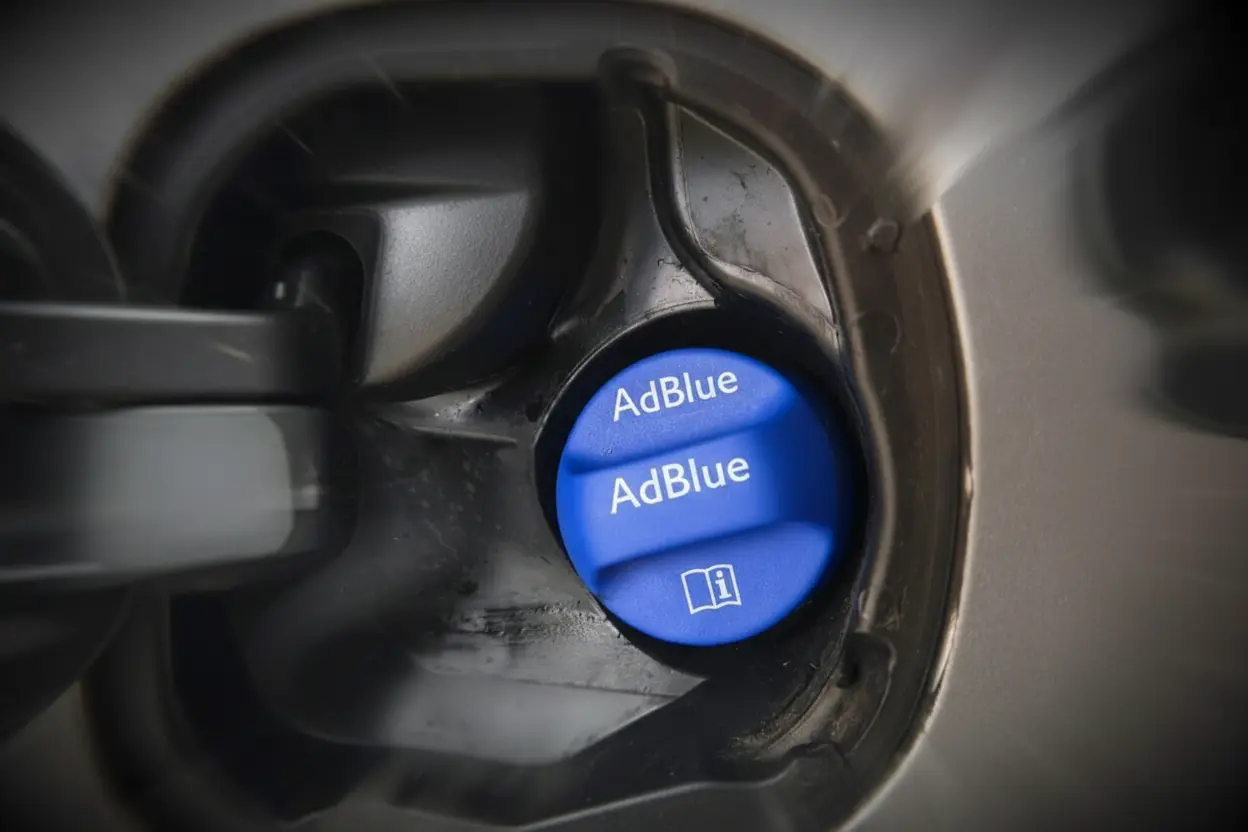
If you’re a diesel car owner who has spent sleepless nights worrying over mysterious AdBlue failures (and potentially frightening repair bills), there’s finally a reason to crack a smile. Across Europe, a much-awaited breakthrough is now at your service, with a compensation program that promises genuine relief. Let’s dive into the details of this industry-shaking decision.
The Long Road of AdBlue Troubles
Modern diesel engines rely on AdBlue, a liquid designed to reduce pollution. But for many drivers, this magic fluid has become more of a migraine than a miracle. Faults in the AdBlue system have led to countless complaints over the past years. Annoyed drivers everywhere have found themselves at the mercy of repeated breakdowns—each with repair costs sometimes soaring above 1,500 euros. The situation got so dire that some motorists even considered illegal quick fixes to avoid emptying their pockets. Not a recommended strategy, but, honestly, have you seen those bills?
Stellantis’ Unprecedented Compensation Plan
Enter a plot twist courtesy of the European Commission: Stellantis, a significant car manufacturer, must now pull out its chequebook and extend a compensation scheme originally rolled out in Italy to the entire European Union. This decision could very well set the tone for future industry practices.
Here’s how the program works:
- Coverage applies to diesel vehicles produced from January 2014 to August 2020.
- The scheme offers up to eight years of coverage from the manufacturing date—take that, planned obsolescence!
- If your car is under five years old and has less than 150,000 km on the clock, you’re eligible for up to 100% coverage of parts costs.
- Older vehicles aren’t left out: partial reimbursement ranges from 30% to 90%, depending on mileage.
- Labour costs aren’t fully covered, but you don’t walk away empty-handed: you get a flat 30 euro reimbursement per intervention, roughly 20% of the average repair cost.
Is it perfect? Not quite—especially regarding labour costs—but hey, it’s a firm nod to the mountain of technical troubles drivers have faced.
What Makes This Programme Truly Unique?
There’s more to cheer for: retroactive compensation. Yes, you read that right. If you’ve already paid for AdBlue repairs since January 2021, you aren’t left behind. A dedicated platform will be up and running from mid-January 2024, where claims can be submitted. The compensation amount will be determined based on your vehicle’s age and mileage at the time of breakdown.
But wait, there’s an additional layer of protection: if your car breaks down again within 24 months or 50,000 km after the first fix, Stellantis will cover 100% of the cost for parts and labour—provided the initial repair took place in an authorised garage, with a proper invoice. It’s like an insurance renewal you actually want to use.
A Turning Point for Drivers—and Possibly the Industry
This bold move didn’t just appear out of thin air. Pressure from consumer associations, most notably UFC-Que Choisir—actively campaigning for compensation since 2022—pushed hard for action. Thanks to intervention from the European Commission, the voices of drivers have been heard. Now, the hope is that other carmakers might join the trend, especially as European institutions keep their focus on protecting consumers from technical lemons.
In many ways, this marks a cultural shift: car manufacturers are being called to greater responsibility for issues impacting daily life. The Italian attempt at a similar programme likely set the precedent for this European rollout—a genuine win on the consumer rights front.
Are you eligible? Get ready to be patient. Dealerships will need to adjust their internal procedures to accommodate the new system, and it could take a few weeks before the reimbursement process really gets going. In the meantime, gathering and saving every invoice and repair document will work in your favour—you don’t want a missing piece to slow down your claim.
Final Thoughts: Why This All Matters
Stellantis’ acceptance of responsibility—backed by an industry-first compensation scheme—reflects a significant step forward. At a time when environmental standards are becoming ever tighter, this initiative doesn’t just ease the financial pain for drivers; it may also forge an important precedent for the whole car industry. Sure, the plan isn’t flawless, but for once, being a diesel driver with AdBlue headaches might not mean you’re left in the lurch. So dig up those invoices, keep tabs on your mileage, and get ready for a process that, fingers crossed, might actually make a real difference.

John is a curious mind who loves to write about diverse topics. Passionate about sharing his thoughts and perspectives, he enjoys sparking conversations and encouraging discovery. For him, every subject is an invitation to discuss and learn.