Just when you thought electric vehicles (EVs) were set to take over our roads for good, a surprising twist has many drivers reversing course—right back to gas-powered cars. Why? The answer isn’t quite what glossy brochures or impassioned debates might have you believe. Spoiler: it’s a blend of hard-nosed budget math, everyday headaches, and a dash of pure driving joy.
Why Are Drivers Turning Back?
Not so long ago, electric cars were hailed as the bright and shiny future of motoring—clean, quiet, and cutting-edge. Drivers leapt in, lured by the promise of reducing their carbon footprint, scoring handsome subsidies, and spending less on fuel per mile. The siren call of both ecological virtue and helpful government incentives seemed unbeatable. But, reality—in all its stubbornness—has a way of rearranging even the neatest plans.
Though the cost at the plug is famously less than at the pump, that’s not the whole bill. Actual total ownership costs still run high, sometimes uncomfortably so. Even models labeled as « affordable » can leave buyers scratching their heads (or wallets), trying to make their numbers add up. Subsidies do help, but often not enough to bridge the gap between electric and gas-powered vehicles.
The ‘Hidden’ Price Tags of EV Life
Beyond the sticker price, EV fans encounter a medley of surprise expenses, including:
- Installing a home charging station (sometimes with pricey electrical work thrown in)
- Occasionally higher insurance premiums
- Rising costs for public charging in certain regions
Combine these with the up-front price difference, and—voilà!—the economic equation for many tilts back in favor of petrol.
Range and ‘Charging Anxiety’: Still a Thing?
It turns out, progress in battery range is tangible, but the old fear of long trips hasn’t fizzled out yet. Many drivers are still nervous about venturing far from home base. Charging can be slow, stretching the length of rest stops, and performance isn’t immune to frosty weather, a packed trunk, or heavy-footed highway driving. For a notable share of motorists, these issues aren’t just blips—they’re dealbreakers.
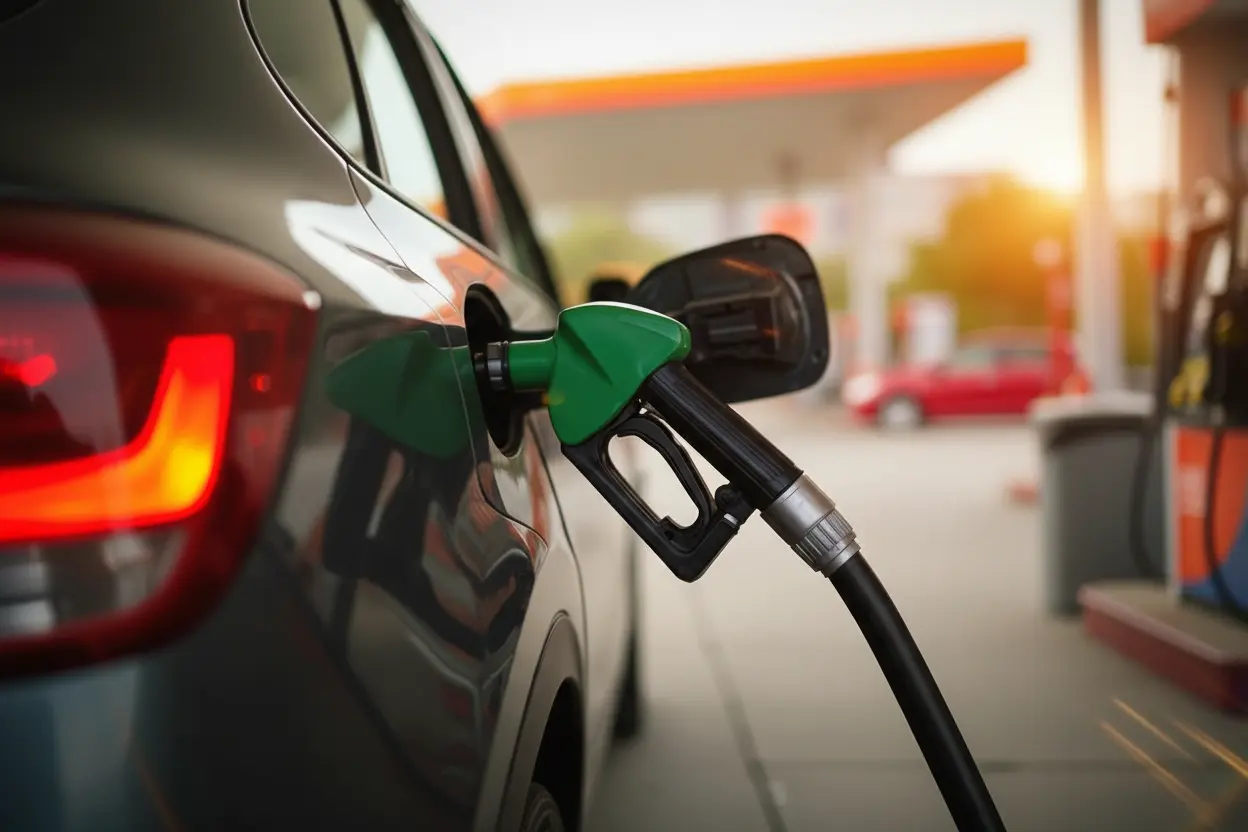
Even urban dwellers, who now enjoy a denser charging network, find that life isn’t so simple elsewhere. Rural areas? Still pocked with hard-to-find or out-of-service charging stations, confusing payment methods, or standards that vary from one country—or sometimes, one parking lot—to the next. In this context, the old-fashioned stop at a petrol station has a major advantage, simply because it works. Every time.
The Human Side: What About the Joy?
Run the numbers, compare features, list out pros and cons—but don’t forget the heart. For some, the visceral pleasure of a classic combustion engine—those familiar growls, the satisfying vibration, the build-up of revs—brings a spark that even the most muscular, silky-silent EV can’t replicate. As car lovers often mention, no matter how efficient a Tesla may be, it just can’t substitute for the pure thrill of an Audi S3 or, to pick a crowd-pleaser, a Mazda MX-5 (which, by the way, is blowing out 35 candles this year!).
This isn’t just nostalgia. For a certain breed of enthusiast, this emotional factor really tips the scales.
The upshot? For regular folks weighing their next car choice, the balance between cost, practicality, and pleasure is as delicate as ever. The headline isn’t that EVs are fading into the sunset, but rather that the auto world is entering an era of two coexistence stories—combustion and electric vehicles, living side by side, matched to the needs and circumstances of each unique driver. So before you plan your next car purchase, ask yourself: do you crave the whisper-quiet zip of electricity, or does your heart still race for the purr of a well-tuned engine? The answer may be more personal—and practical—than you thought.

John is a curious mind who loves to write about diverse topics. Passionate about sharing his thoughts and perspectives, he enjoys sparking conversations and encouraging discovery. For him, every subject is an invitation to discuss and learn.