
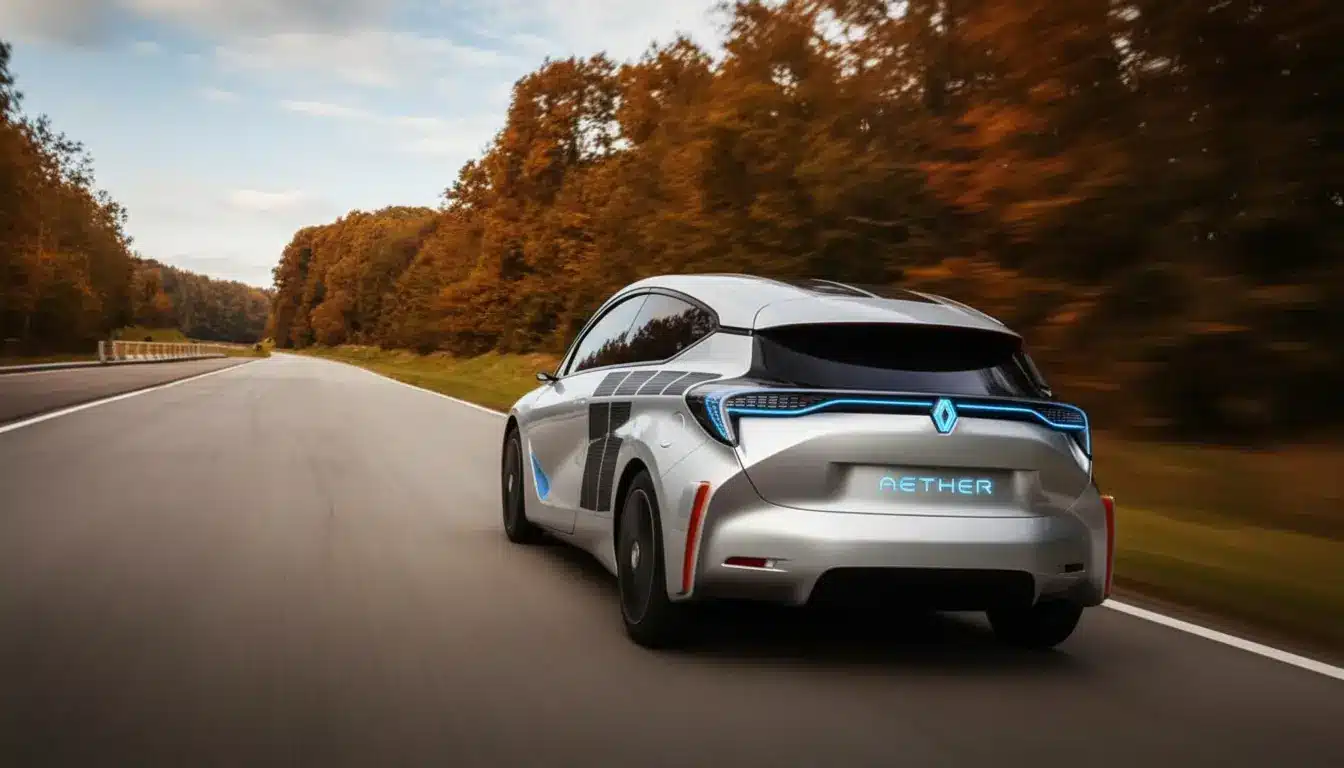
A decade ago, the dream of an ultra-efficient car that could travel 100 km on just a single liter of fuel felt so close, you could almost smell the fuel savings. Magazines buzzed, motor shows brimmed with excitement, and crowds swarmed futuristic prototypes promising to revolutionize how we drive. But now? That dream seems to have slipped through our collective fingers. So, what happened to the legendary 1-liter wonder car?
Once Upon a Time: A Revolution in the Making
Back in the not-so-distant past, achieving a 1 l/100 km car was the engineering record everyone wanted to break. At car shows like EICMA and the Frankfurt Motor Show, throngs of enthusiasts gravitated towards the ultra-efficient concept vehicles that dazzled both in looks and in numbers. These vehicles were more than rolling science experiments—they were the poster children for an industry on the cusp of real change.
Fast forward to the present. Mercedes has recently unveiled the Vision EQXX, an electric sedan boasting a whopping 1,000 km range. Impressive, sure. But the real kicker? This car consumes less than 10 kWh per 100 km, which thermal math nerds will recognize is remarkably close to the fabled 1 l/100 km threshold. It’s the latest nod to a legacy left by past prototypes such as:
- Volkswagen XL1 (0.9 l/100 km, though only 250 were ever made)
- Renault Eolab from 2014
- A specially optimized Citroën C4 Cactus, which, despite valiant effort, managed about 2 l/100 km
Paper Dreams and Plug-ins: The Hybrid Hurdle
The French government pitched in, too. In 2012, they challenged the auto industry to produce cars capable of 2 l/100 km by 2020. Car makers responded with plug-in hybrids: enter models like the DS 7 Crossback E-Tense, which boasted 1.3 l/100 km—at least on official data sheets. The catch? These numbers only looked good because they blended electric and gasoline mileage in a way that wasn’t particularly realistic for daily use.
Even the poster children of efficiency, like the VW XL1, were hybrids at heart and needed a charging port. Ultimately, hybridization became the main tactic for reducing real-world consumption. Some breakthroughs did trickle down. The Renault Eolab, for instance, prefigured the E-Tech system in the 2020 Clio (4.3 l/100 km). Meanwhile, the Toyota Yaris hybrid is still king of its (very efficient) hill at 3.8 l/100 km. These are solid figures, but let’s face it—they’re nowhere near the magical 1-liter mark.
The story got trickier as test procedures shifted from NEDC to more realistic WLTP cycles, which resulted in higher reported fuel use and made those headline-stealing numbers even harder to reach.
The Real World: More Than Numbers
There was another dilemma. Most people aren’t jumping at the chance to drive something that feels like a go-kart, rides super low, and comes with the comfort level of a folding chair. Many of those headline-catching prototypes were built out of ultra-lightweight materials that cost a fortune to produce at scale. And then, the trend gods stepped in: SUVs, much taller, heavier, and less aerodynamic, took over the market.
As a Citroën engineer once confessed, “To offer a car like the XL1 would have meant asking families to give up their trunk and comfort. That simply wasn’t realistic.” The message was clear: for consumers, practical features consistently trump brag-worthy numbers.
The Shift to Range—and the Endless Wait
The march of the electric vehicle has also shifted the conversation. Efficiency gave way to range anxiety. These days, people ask how far they can get on a full charge, not how many kWh get spent per 100 km. Perhaps in the future—when energy costs rise or charging becomes trickier—we’ll circle back to real efficiency as a top priority.
For now, the elusive 1-liter car remains more symbol than showpiece: a dream that fired up the imaginations of engineers and drivers alike, but one that never truly found its way to the mainstream. Will we ever see its return? Only time (and maybe your next electric bill) can tell.

John is a curious mind who loves to write about diverse topics. Passionate about sharing his thoughts and perspectives, he enjoys sparking conversations and encouraging discovery. For him, every subject is an invitation to discuss and learn.