Tired of weeding but not keen on splurging for harsh chemicals that could scare off even the bravest earthworm? Enter the salt weed killer—everyone seems to be raving about it lately. It’s fast, it’s outrageously cheap, and it promises dramatic results in just days. Before you grab your kitchen salt with dreams of a pristine patio, though, there’s more to this salty story than meets the eye. Here’s how to use this homemade weed killer wisely, effectively, and—most importantly—safely for your garden’s future.
Why Salt? The Quick Science Behind the Magic
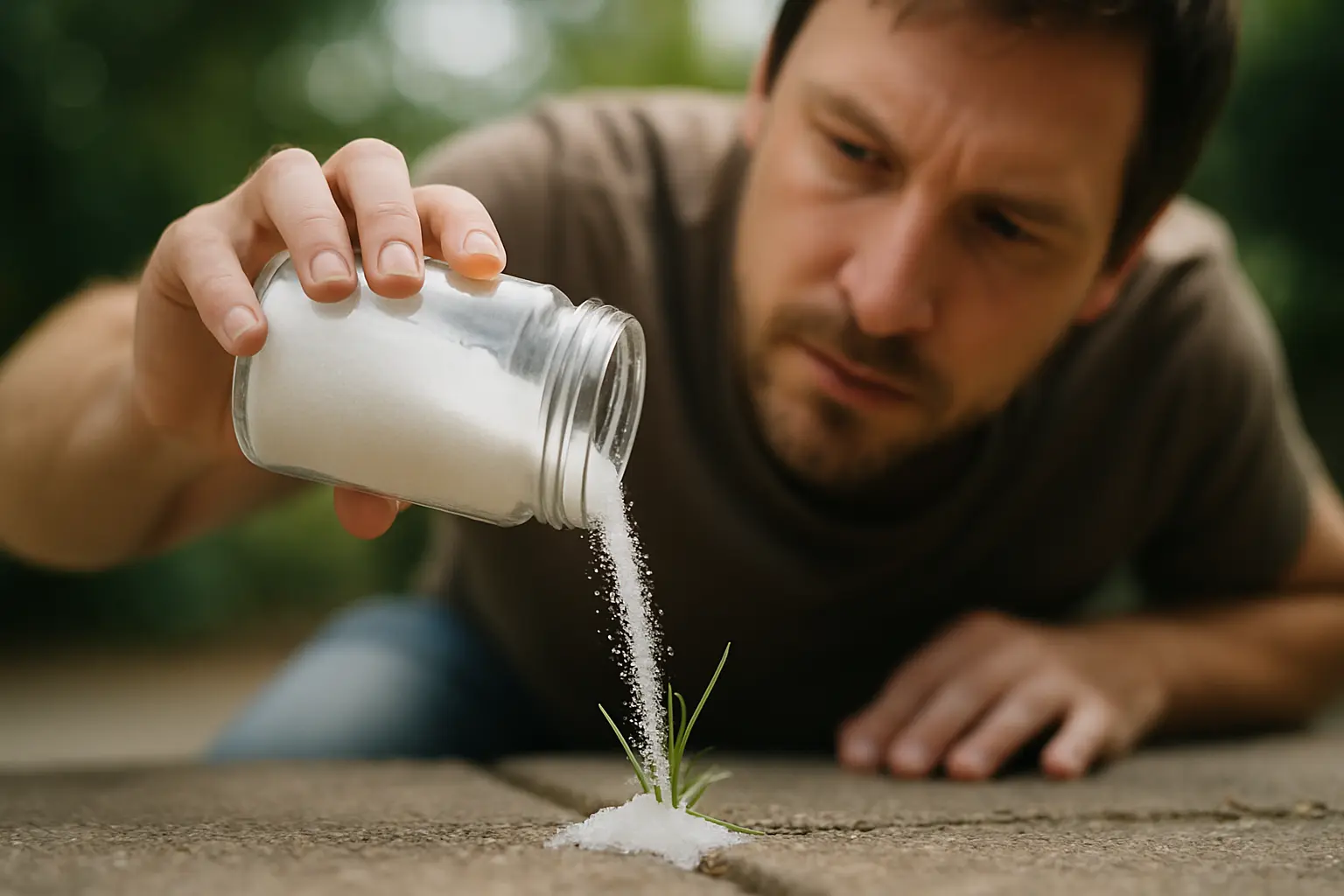
Salt works its magic swiftly by drawing water out of plant cells. Once the salt has been applied, leaves wilt and die—especially when dealing with those pesky new shoots. Perennials may be a bit more resilient (as always), taking their sweet time to succumb. Results also depend on coverage and how warm or sunny the weather is. The effect is speedy, satisfying—and sometimes, a little sneaky.
Unfortunately, it’s not a one-time show. Salt infiltrates soil, booting out other ions. Soil structure gets compacted, air circulation drops, and the entire underground universe—helpful microorganisms included—starts to dwindle. As a result, that once-lively patch becomes less welcoming for any future plants. Sometimes, this “no-man’s land” lasts several seasons. So, before you go full salt-bae, define exactly which areas you want to treat and make sure replanting isn’t on the horizon.
Stick to the Rules: Where and How to Use Salt-Based Weed Killer
Keep your salty ambitions on a tight leash:
- Only use it on mineral zones: think driveways, walkways, and gravel beds.
- Avoid veggie gardens, flower beds, and the base of shrubs—unless you really dislike your future crops.
- Treat only small, clearly-marked patches. Never opt for regular use; this is a spot-fix, not a routine.
Preparation is key:
- Choose a dry, windless day with no forecasted rain.
- Select a dedicated watering can or sprayer (label it to avoid salad-related disasters).
- Suit up with gloves and goggles for splash protection—safety can be stylish!
Mixing your potion:
- Boil three liters of water.
- Add one kilogram of fine salt and stir until dissolved.
- Pour in one liter of white vinegar.
- Transfer while still warm to your equipment; keep kids and pets far away.
Applying with Precision—and Handling the Fallout
Let accuracy, not bravado, guide your hand:
- Apply close to weed leaves, steering clear of flower borders.
- Dampen (don’t saturate) leaves. A light touch trumps a flood. Multiple light passes beat one mega-dose.
- Observe for 2–4 days. Only reapply where weeds linger.
- Use cardboard to shield neighboring plants. Block runoff with boards.
- Always work outwards and monitor slopes—salt runs downhill just as well as water.
Dose wisely. A few minutes of application is enough. Overdoing it can cause soil crusting, harder earth, and a tough time for any future plants. Steer clear of sodden zones—if the ground’s already wet, salt disperses and works less efficiently.
Expect some tell-tale warning signs if things go wrong: unintentional yellowing, lingering whitish run-off, stubborn puddles. Spot these, and stop. Loosen the topsoil, add mature compost, and water gently. The soil will recover, albeit with patience. Avoid using this method on scorching days—the solution dries too quickly and doesn’t penetrate well.
Rain may redistribute the salt, and the treated zone can become sterile, with « dead » bands along borders where biodiversity plummets. The worst hit? Hedges and young trees nearby. Good recovery demands patience, careful fixes, and regular monitoring.
Aftercare, Alternatives, and Long-Term Wisdom
After salting your chosen patch, follow up weekly:
- Break any crust on the surface.
- Add mature compost and fine, fibrous organic matter.
- Gently aerate to relaunch the biological buzz underground.
- A light mulch layer can maintain moisture and feed beneficial critters.
Protect sensitive areas: keep away from gutters and drains, avoid slopes or highly-draining soils, and always treat in short bursts. Rinse and store your equipment separately, and stick a visible marker (plus date) on the treated zone.
But here’s the good news: salt isn’t your only tool. Mulching blocks weed seeds, « false sowings » catch annual weeds, boiling water alone zaps seedlings fast, thermal weeders scorch leaves without chemicals, and regular hoeing trims new roots. Combining these methods can significantly reduce reliance on the nuclear option—salt.
Choose wisely: if you want a stable, clear area that won’t be replanted, salt fits. If crops could return, stick with reversible fixes. Each garden is unique—consider hedge proximity, drainage, and the slope, and for pavers, a simple joint scraper gives a residue-free, neighbor-friendly finish.
Final tips to keep your Eden thriving: blend prevention with rapid response, ban excess, and remember—a sustainable garden tolerates some wildness. Meticulous records help spot patterns and successes. Clean doesn’t mean sterile, and with restraint (plus a little post-salt TLC), you’ll enjoy a living, lasting soil underfoot. When in doubt, gentle methods always win out near active beds, crops, or trees. The best gardeners, after all, protect both results and the invisible life beneath our boots!

John is a curious mind who loves to write about diverse topics. Passionate about sharing his thoughts and perspectives, he enjoys sparking conversations and encouraging discovery. For him, every subject is an invitation to discuss and learn.