
The Flash That Cost a Fortune
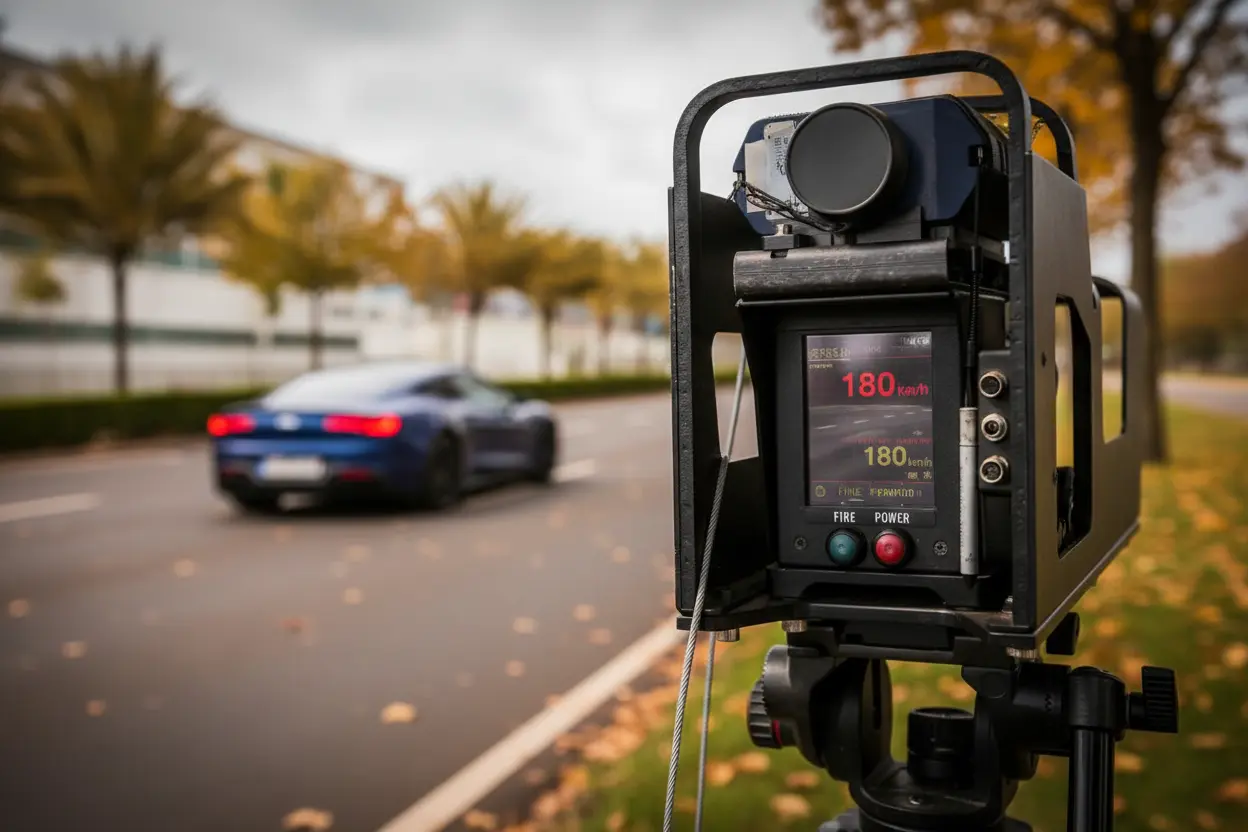
Let’s set the scene. A speeding ticket isn’t usually headline news. But if you’re in Switzerland, it might be. Recently, a driver was caught by a speed camera doing 77 km/h in a zone where the limit was 50 km/h. So far, so ordinary for European roads. What made people gasp—even drop their coffee? The amount of the fine: a record-shattering €95,500. Yes, you’ve read that correctly. In Switzerland, it’s not just your conscience that takes a hit when you break the limit—sometimes, it’s your bank account, and in this case, to the tune of a small fortune.
But this wasn’t just any speeder. The person behind the wheel belongs to one of the 300 richest people in the country. When millionaires break road rules in Switzerland, the financial aftermath can be just as spectacular as the offense.
The Swiss Method: Income-Based Fines
So, how did this ticket climb to such dizzying heights? Switzerland calculates speeding fines in a most unusual way: they are based on the driver’s income. That’s right: the richer you are, the higher the fine. It’s an approach designed to make everyone feel the sting, regardless of their bank balance.
In this headline-grabbing case, the logic played out to its extreme. The penalty was set at 90,000 Swiss francs (just about €95,500). However, nearly 80,000 francs of this eye-watering sum could actually be suspended—conditional on the driver exhibiting flawless behavior for the next three years. So, behave well and you might get a generous discount. Drive like a saint; keep your savings.
Social Media Goes Wild
It’s no surprise that this story sped off onto social media, with Instagram leading the race. Internet users went to town with their reactions:
- Some laughed at the fact that a speeding ticket in a modest VW Golf GTI could be pricier than the car itself.
- Others questioned the relevance of such a system and marveled at its originality compared to other European countries.
- For comparison: places like Germany favor more standardized fines, while Finland—following a similar income-linked principle—also ends up with dramatically different results, depending on the culprit’s earnings.
Discussions quickly shifted between humor, disbelief, and a kind of envious respect for Switzerland’s innovative approach to, well, keeping things fair by all measure.
Fairness, Deterrence, or Overkill?
Switzerland isn’t alone. Finland, too, links traffic penalties to how fat your paycheck is, although with different results depending on local laws and… perhaps, the creativity of local drivers. The debate is ever-present:
- Some see this as a fair instrument to discourage the wealthiest drivers from treating the highway as their private race track.
- Others feel it’s a step too far—a kind of punitive overkill that’s more about shock value than justice.
One thing is certain: nobody’s indifferent. The system rattles cages and starts conversations, both in boardrooms and student cafes.
What’s more, the idea that a huge chunk of the fine can be suspended if the culprit maintains perfect behavior for three years shows an unmistakable streak of educational intent. It’s not just about hitting your wallet but about encouraging a rethink. Switzerland, once again, demonstrates that deterrence and responsibility can drive side by side—and that road safety isn’t just about consequences, but about learning, too.
So, next time you feel the urge to floor it through a Swiss village, remember: the faster you go, the lighter your wallet—especially if your wallet is already on the heavy side. Rich or not, Switzerland wants you to lift your foot off the gas. Call it equal-opportunity caution.

John is a curious mind who loves to write about diverse topics. Passionate about sharing his thoughts and perspectives, he enjoys sparking conversations and encouraging discovery. For him, every subject is an invitation to discuss and learn.